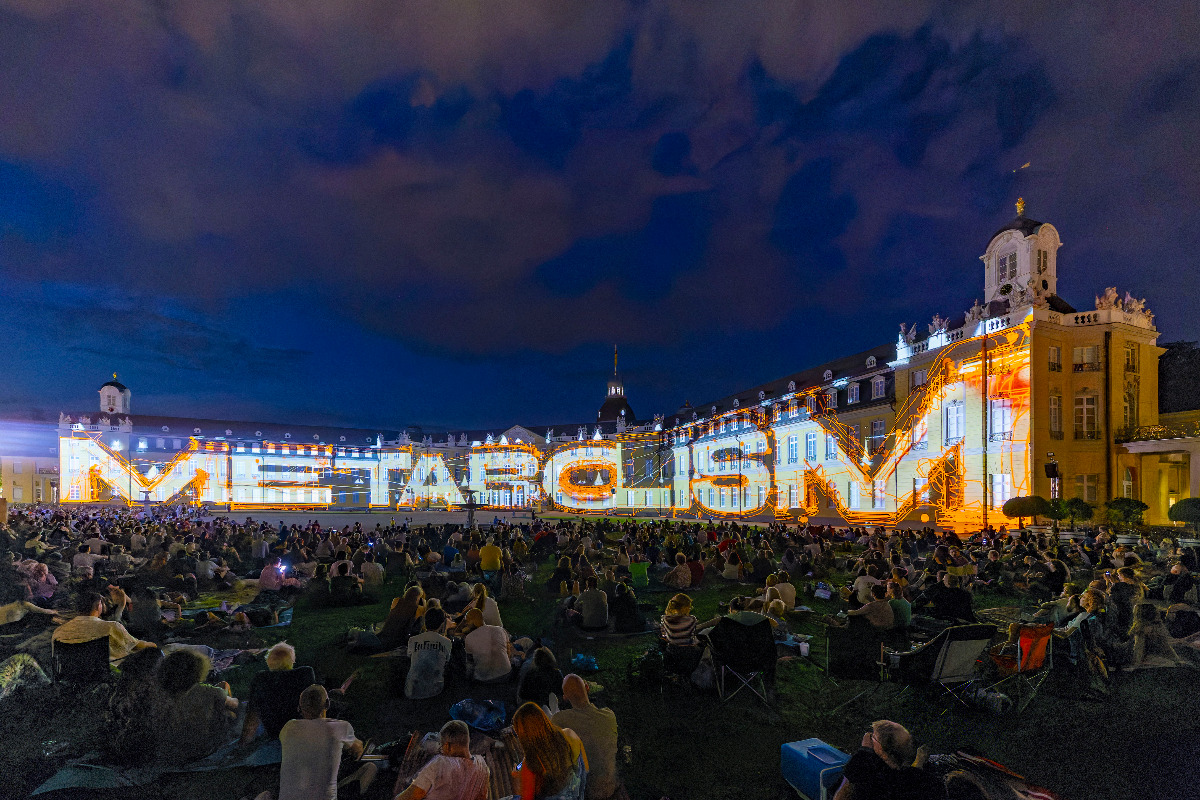
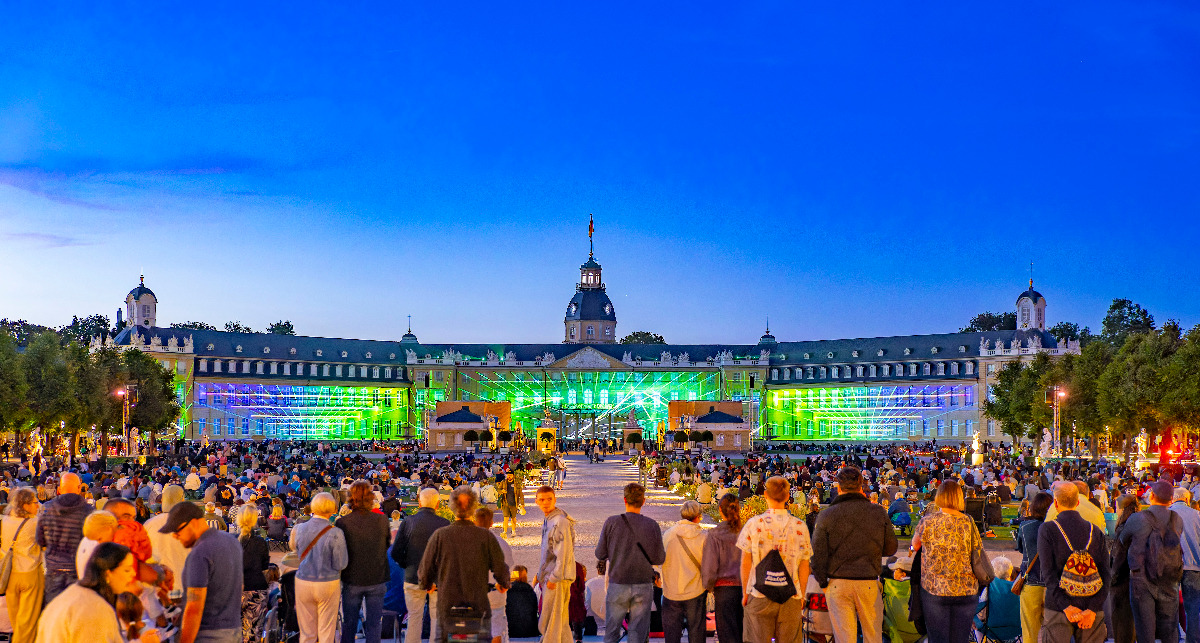
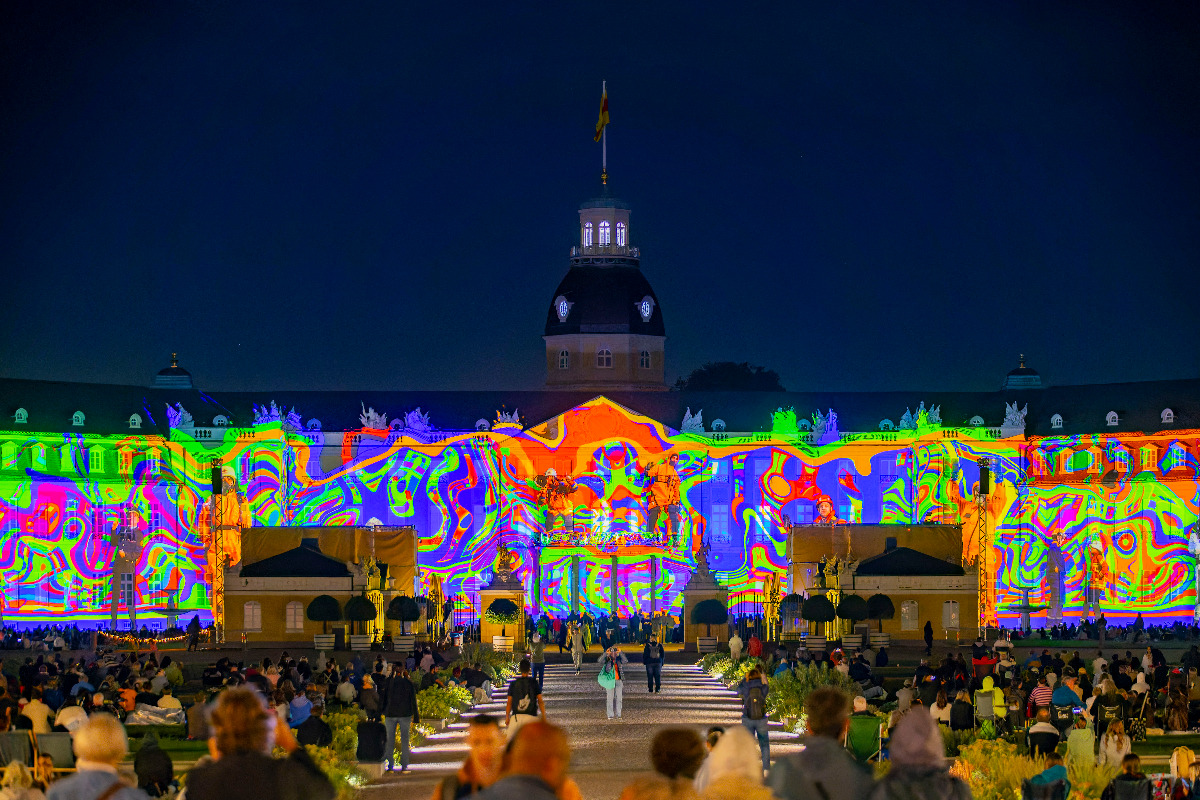
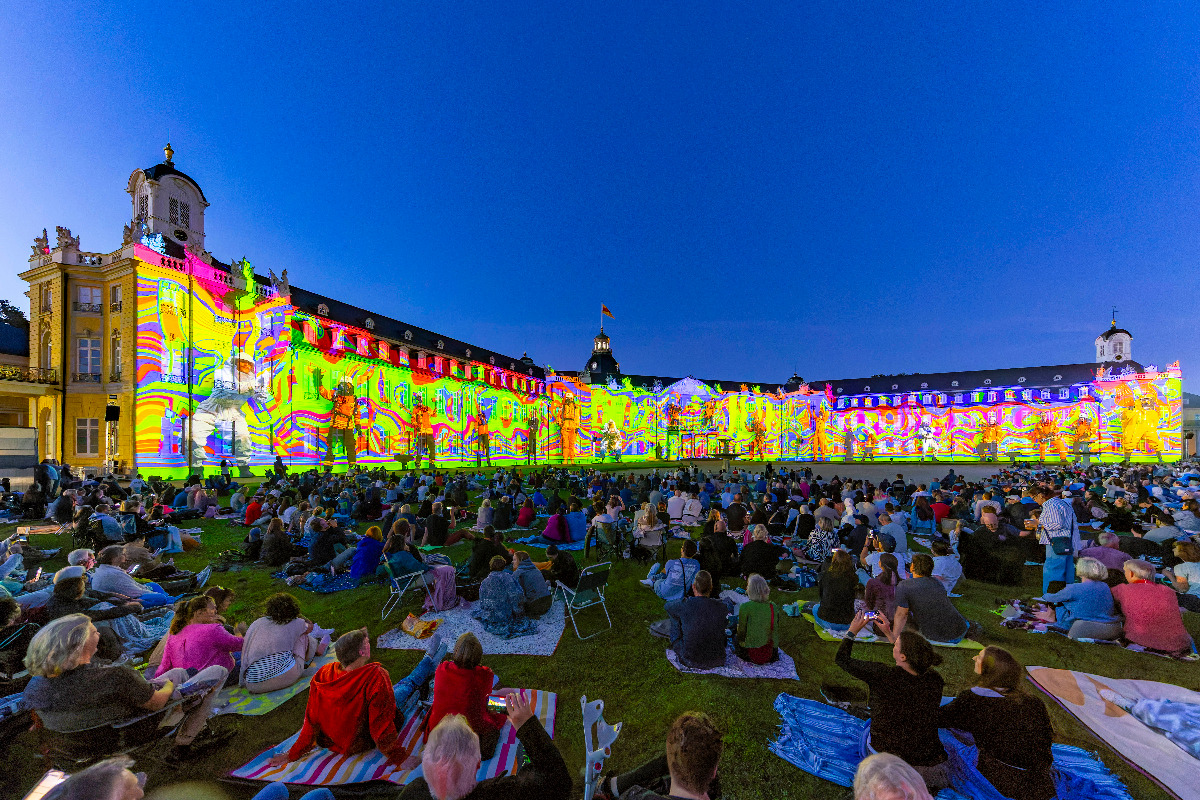
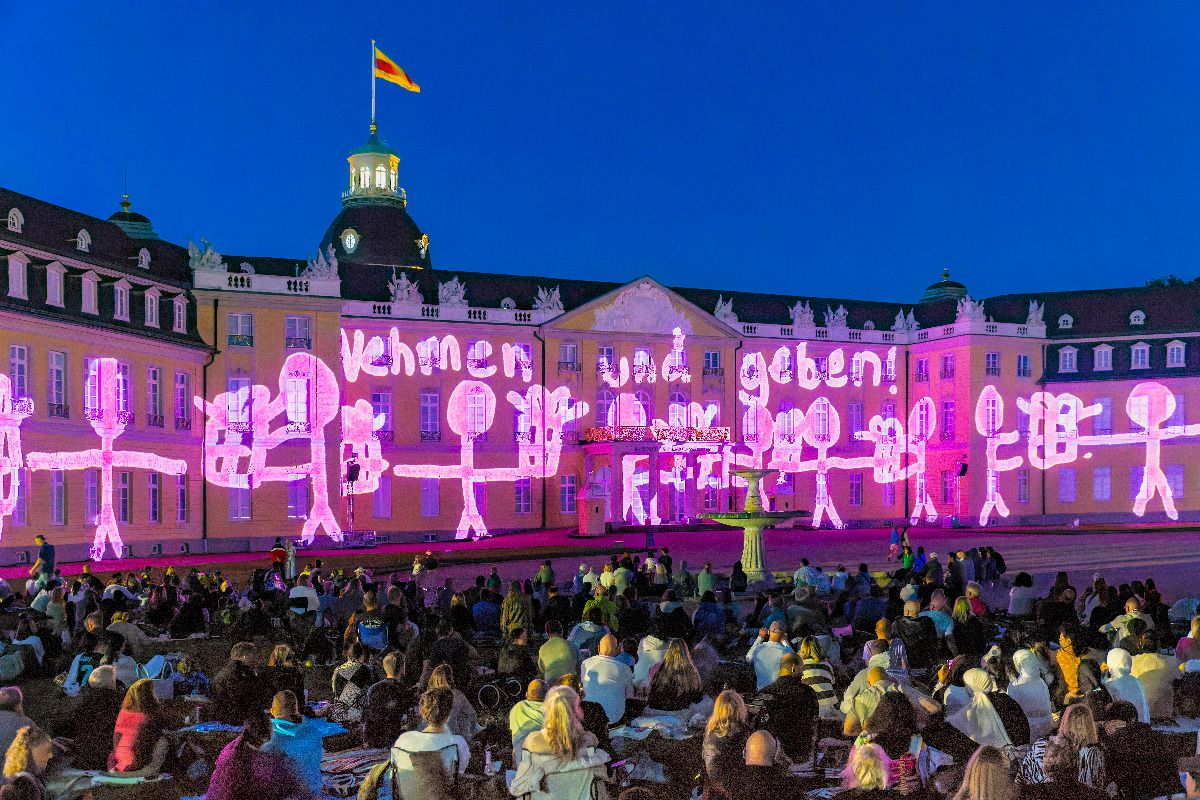
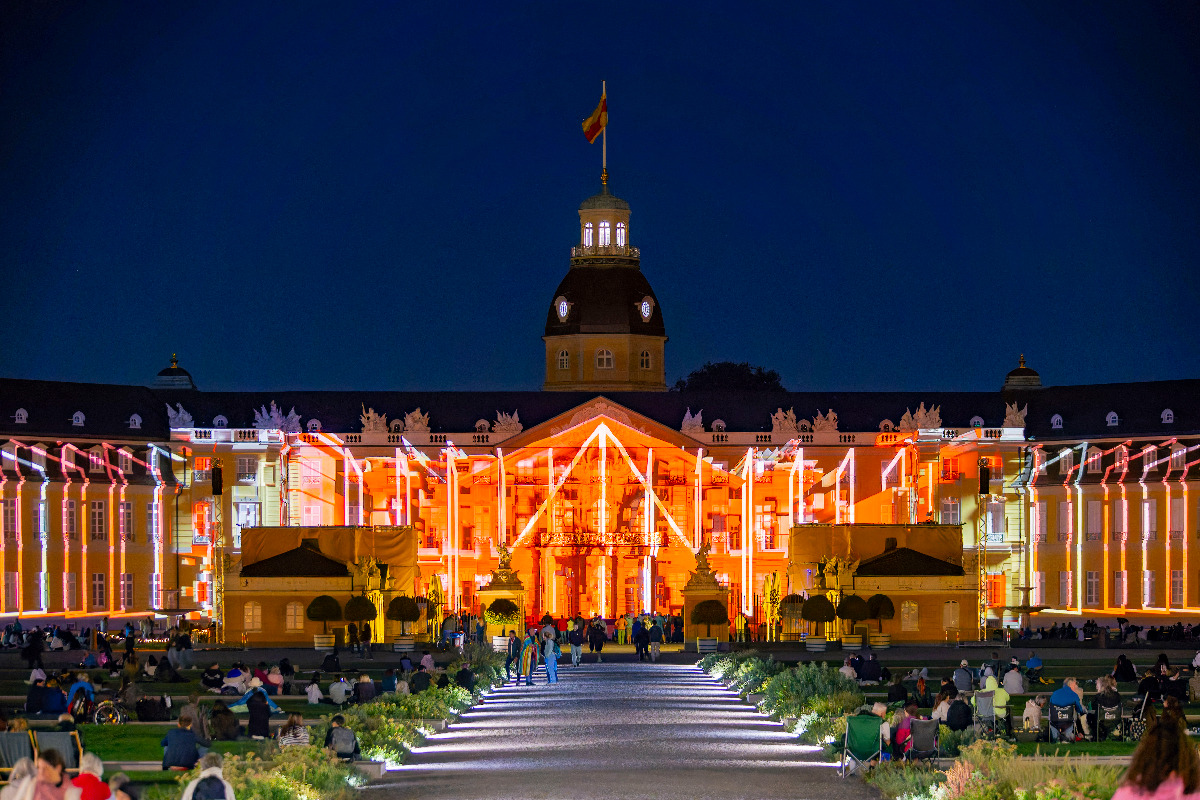
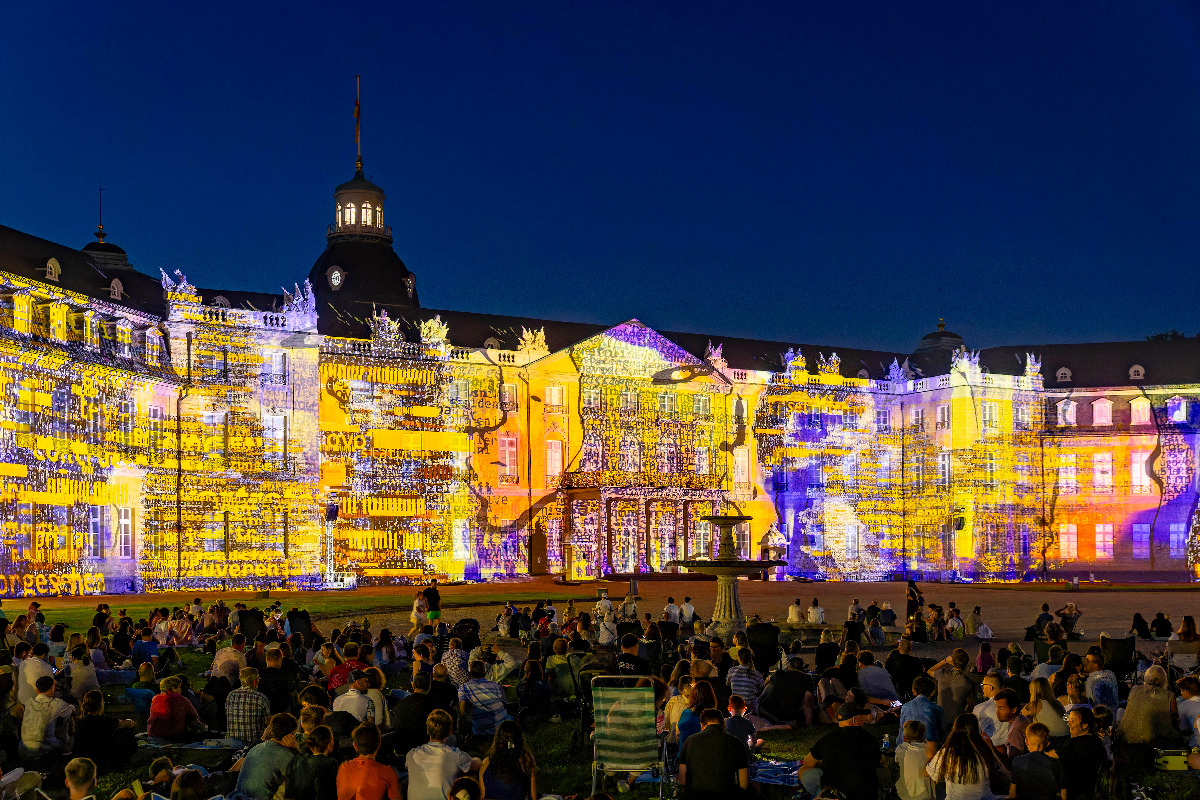
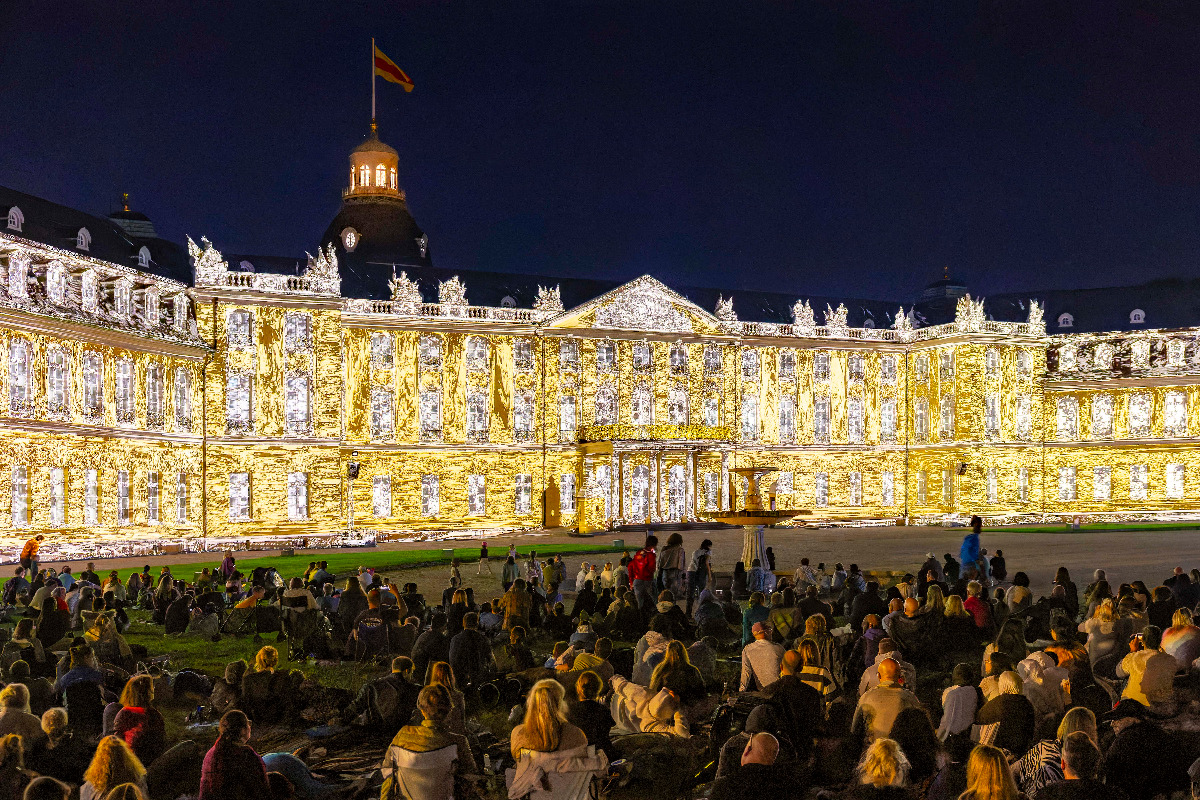
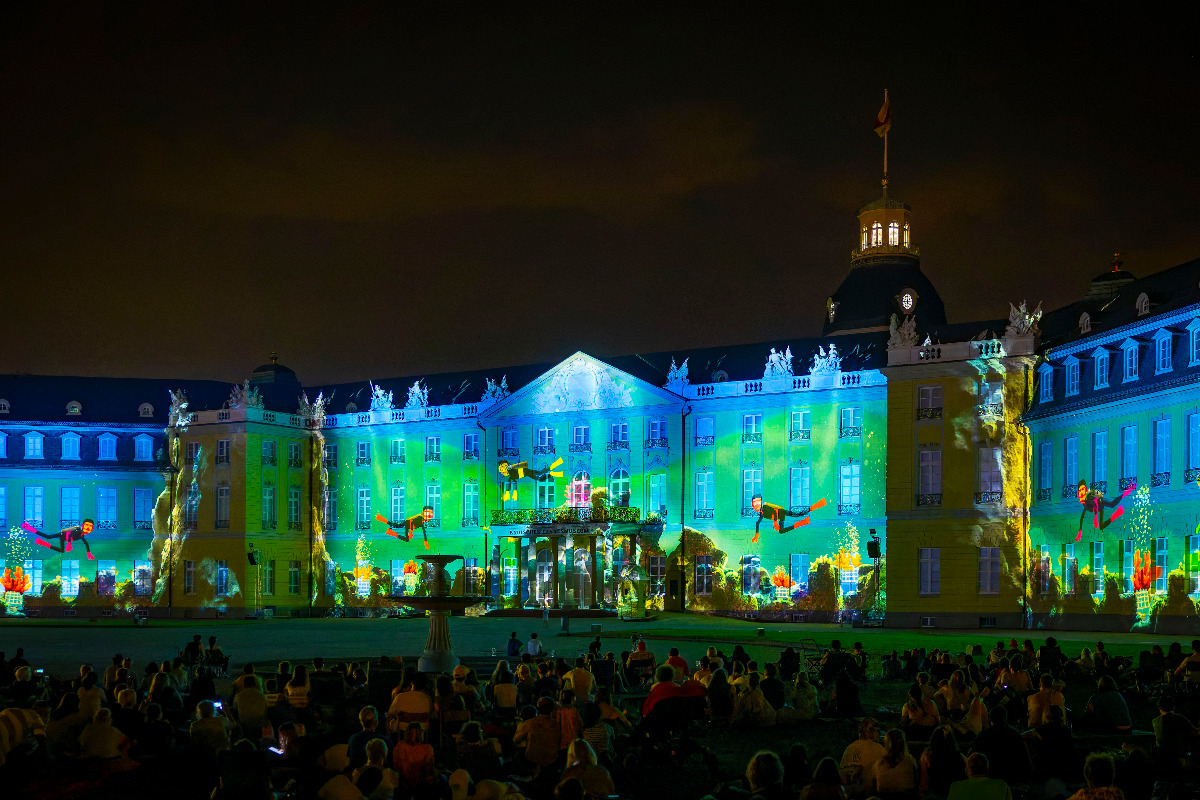
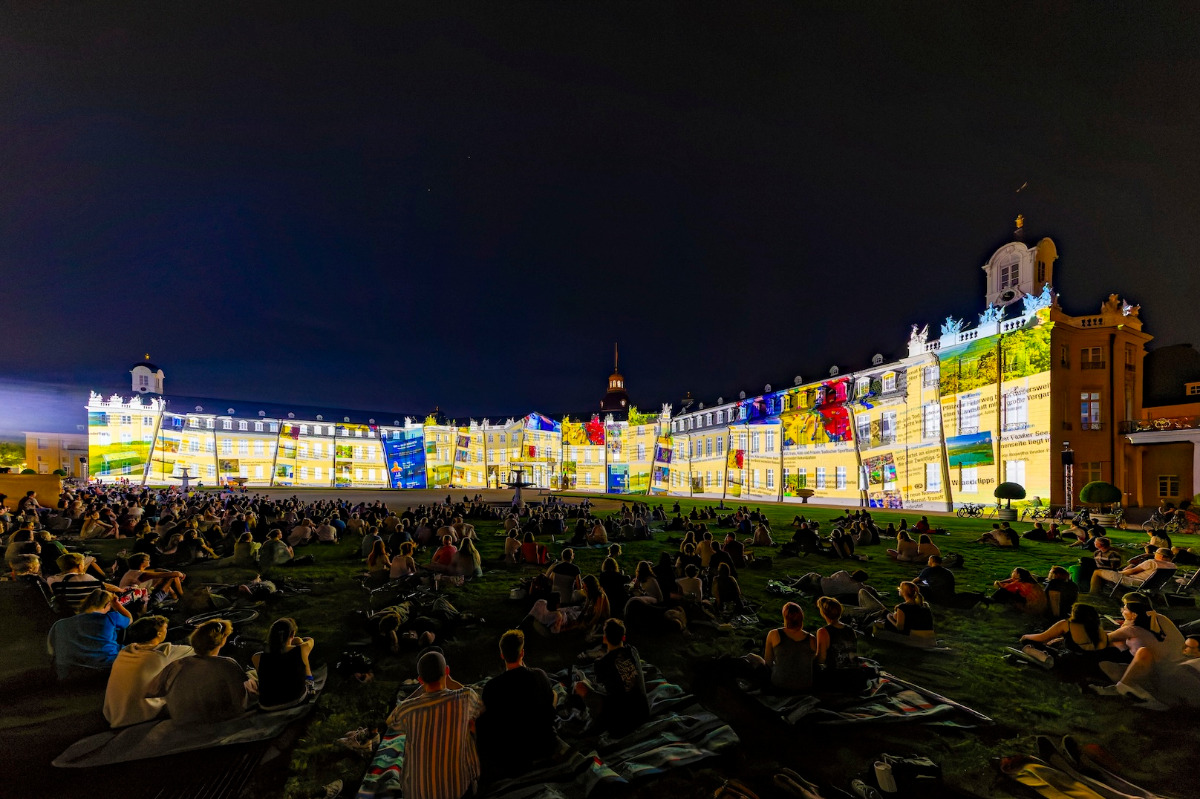
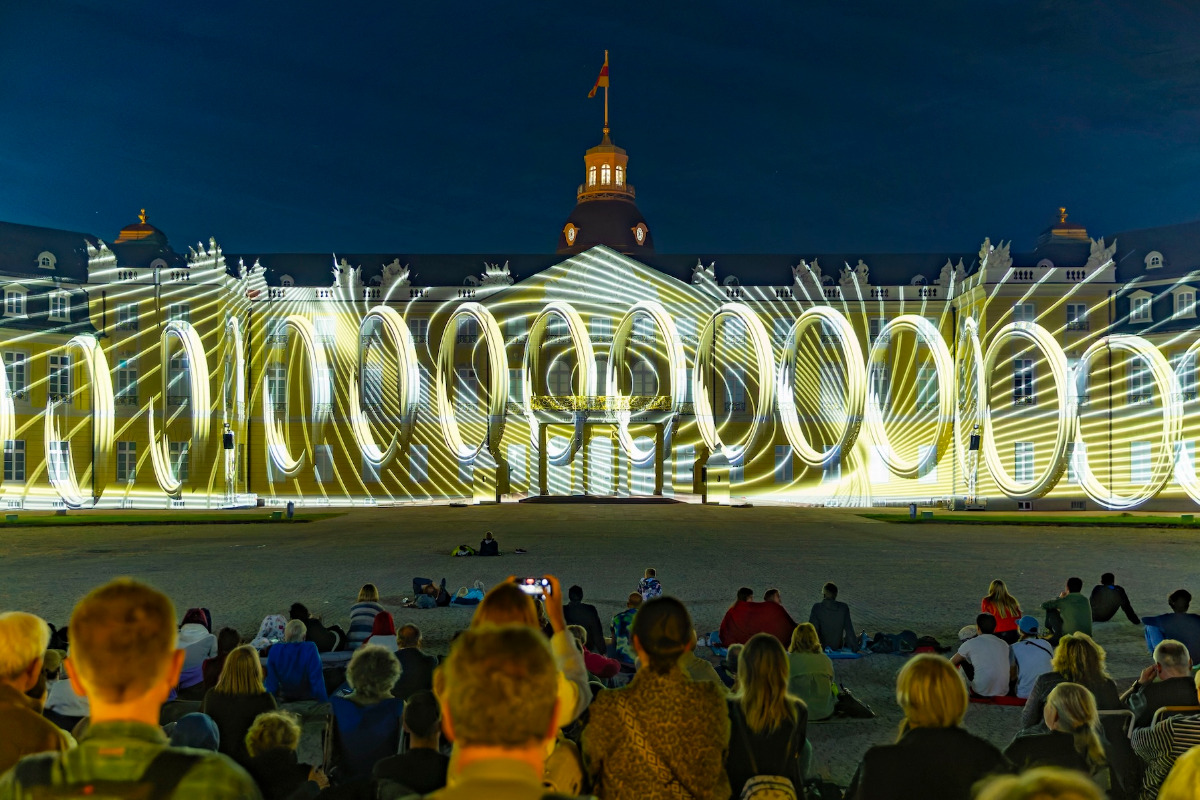
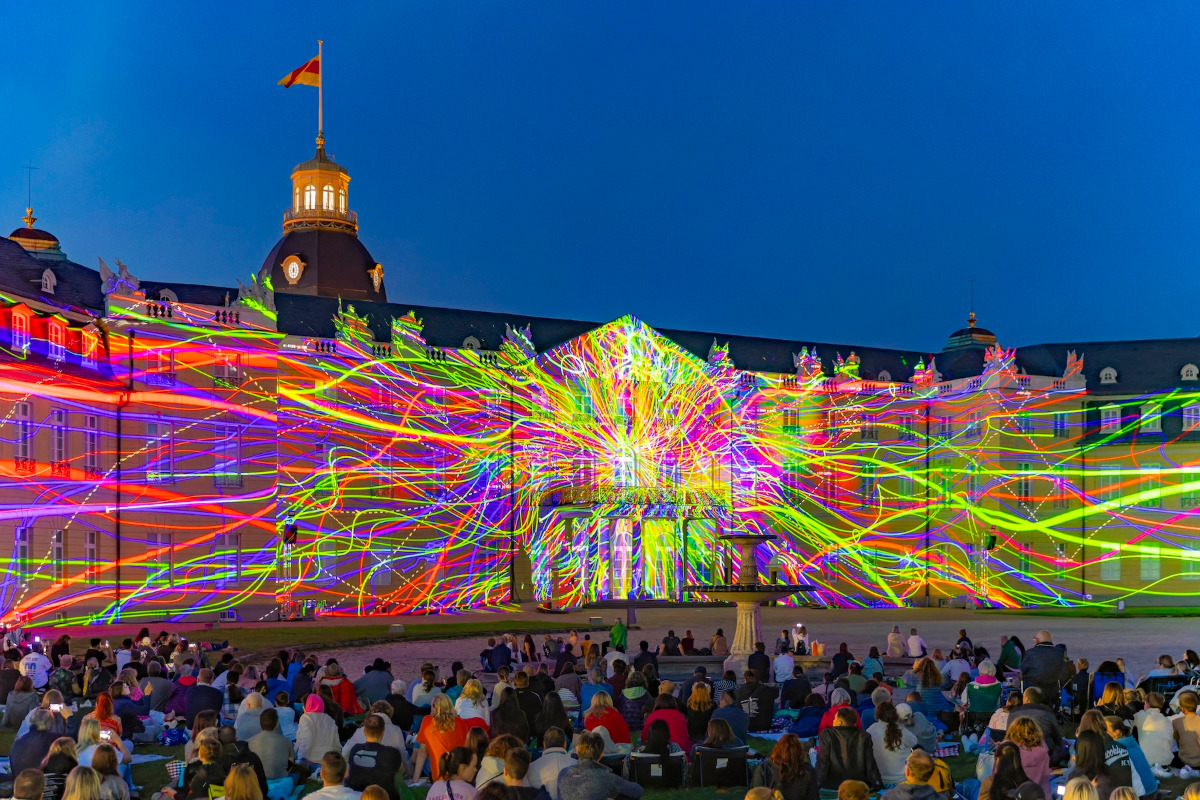
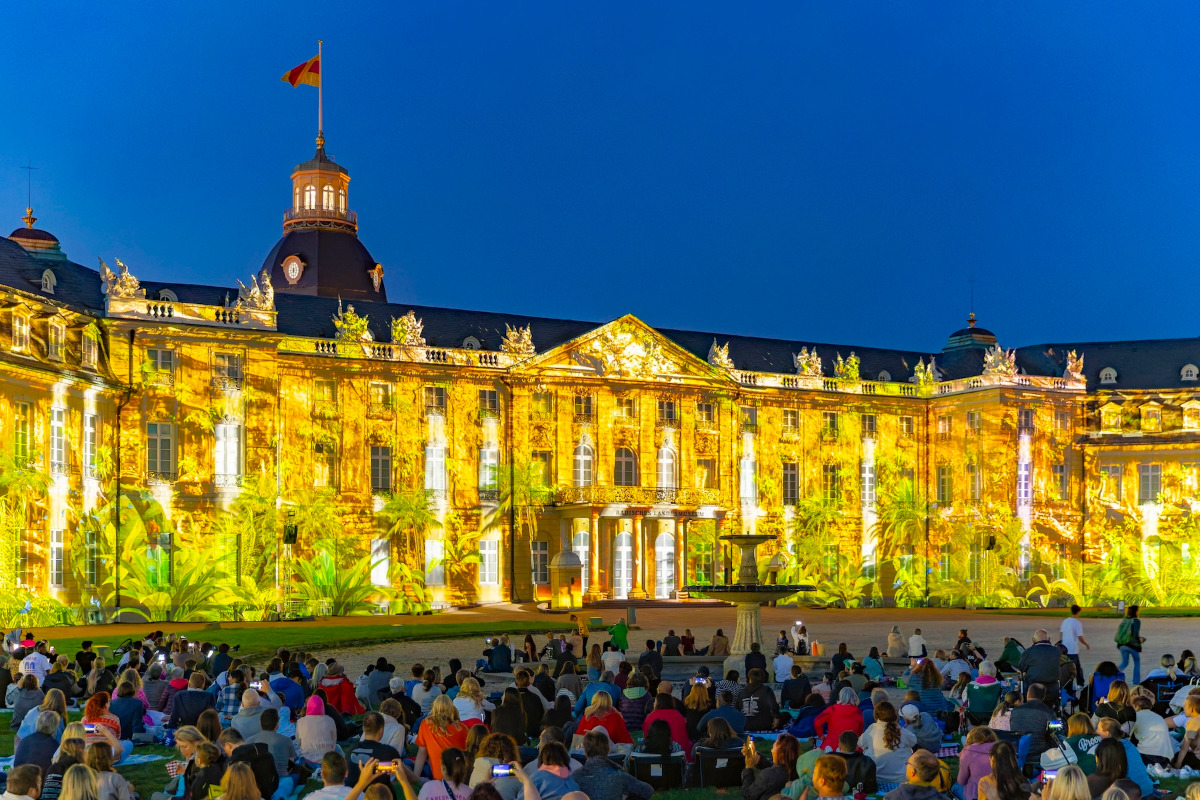
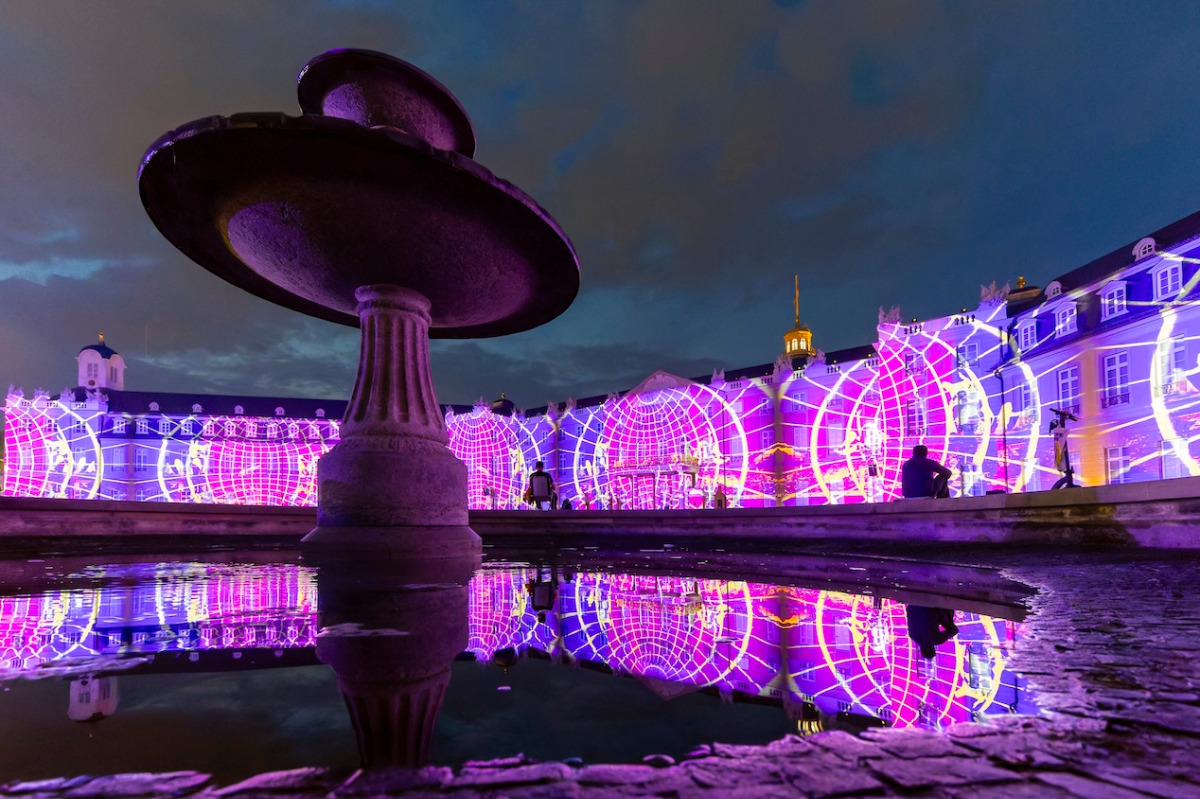
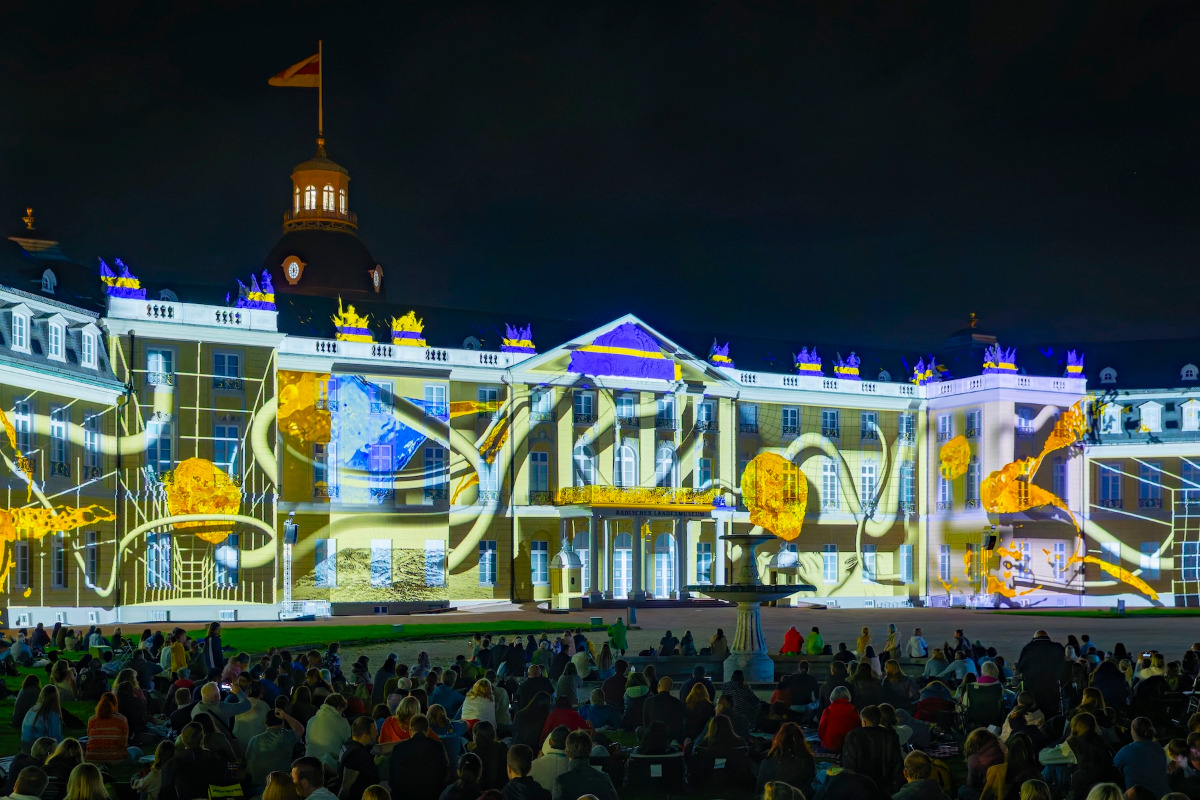
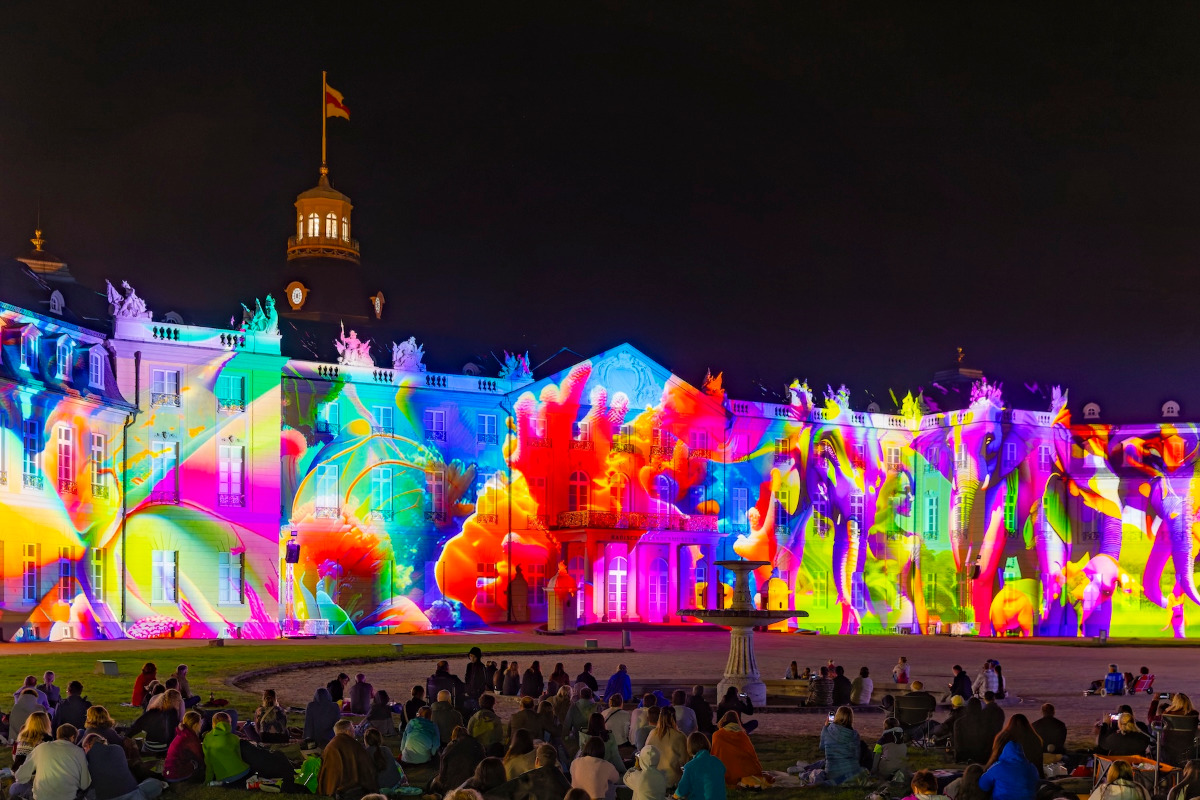
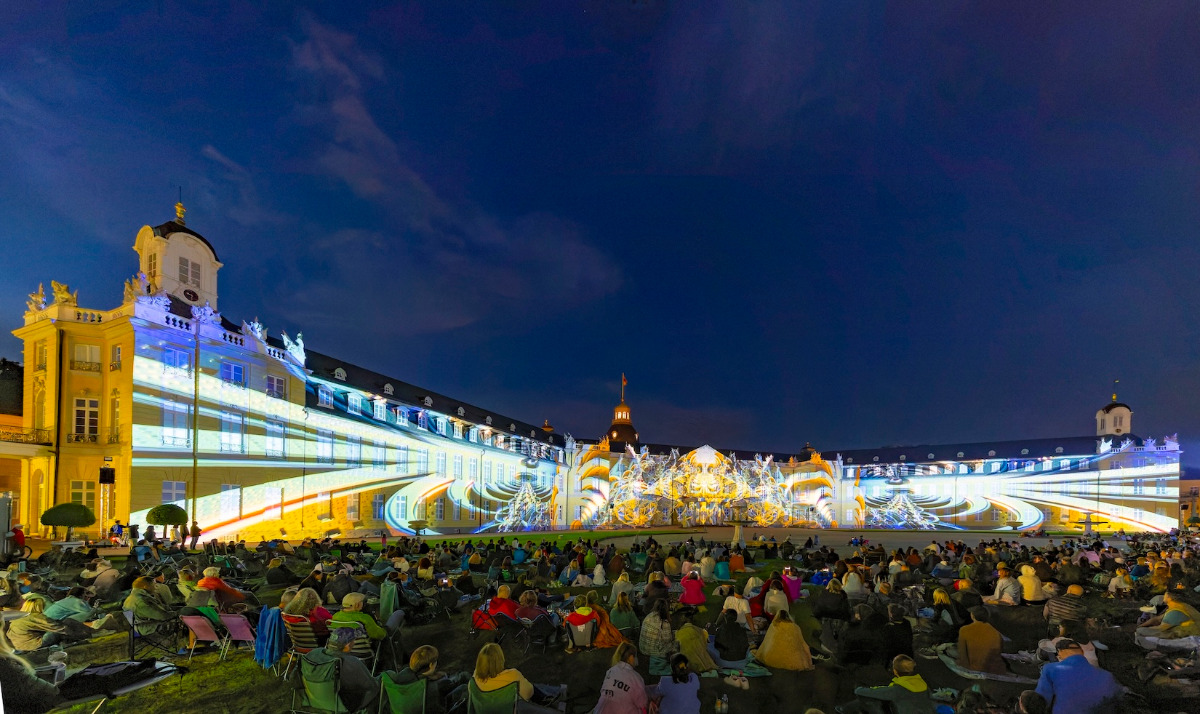
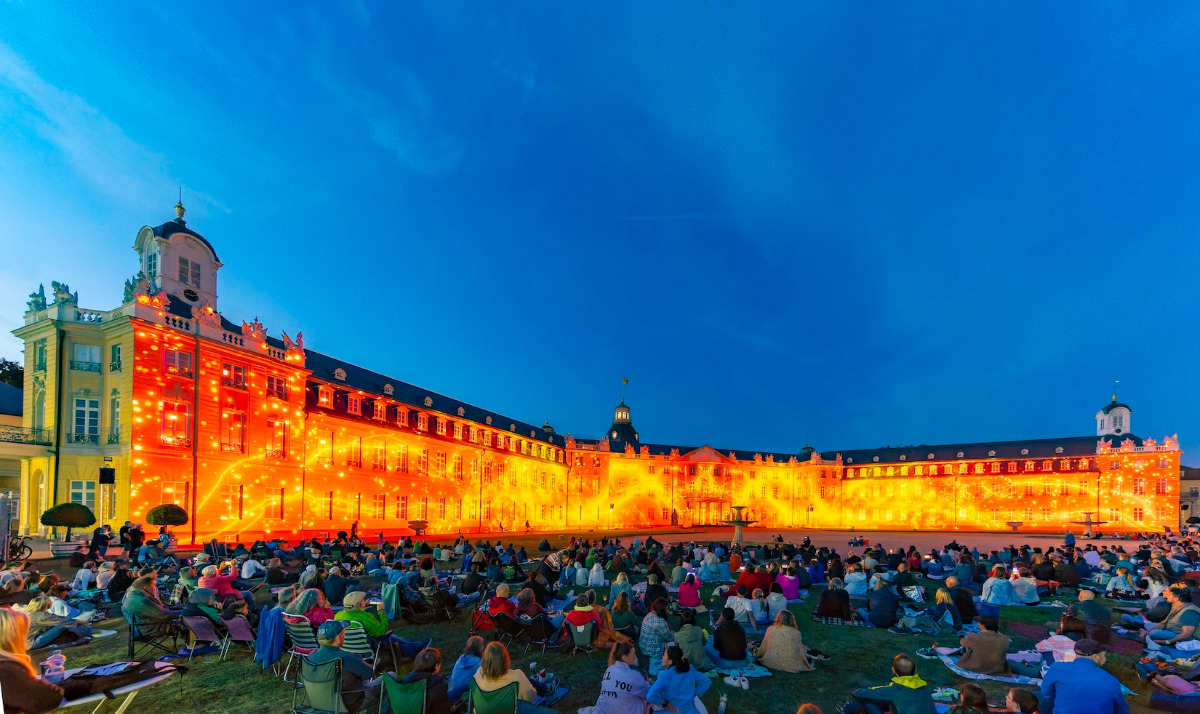
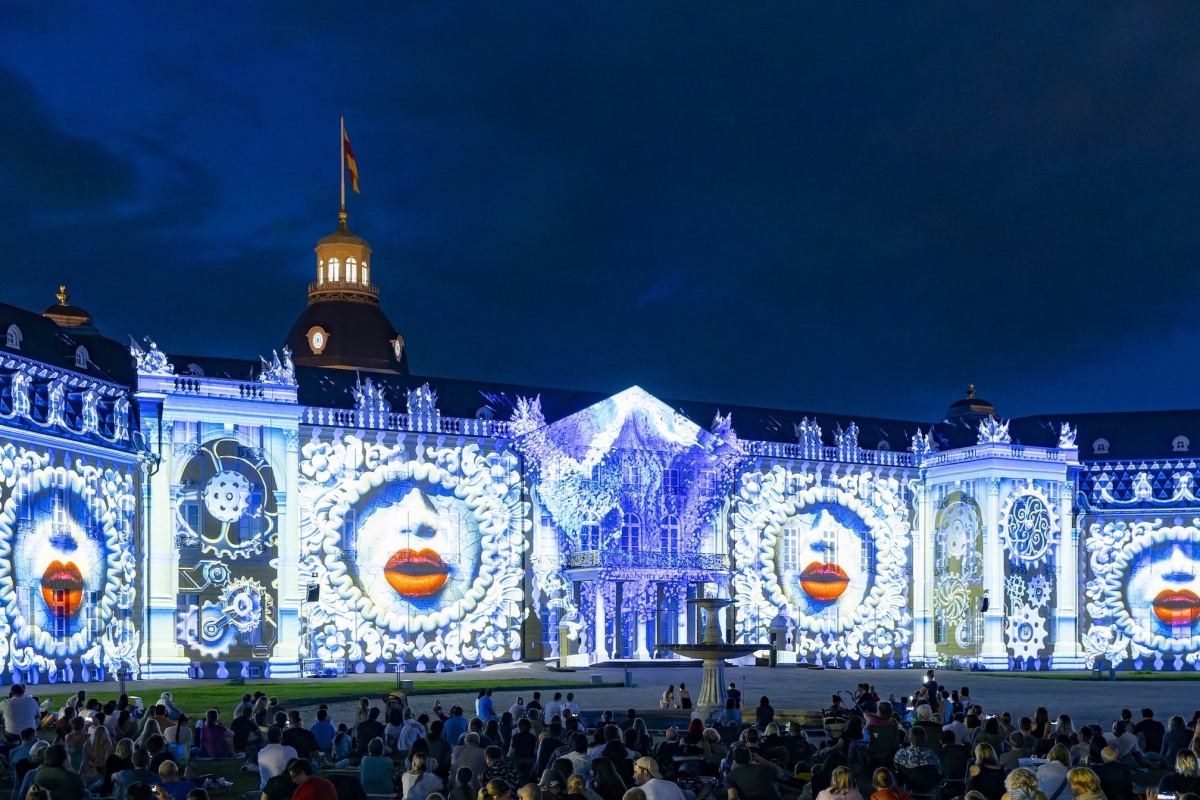
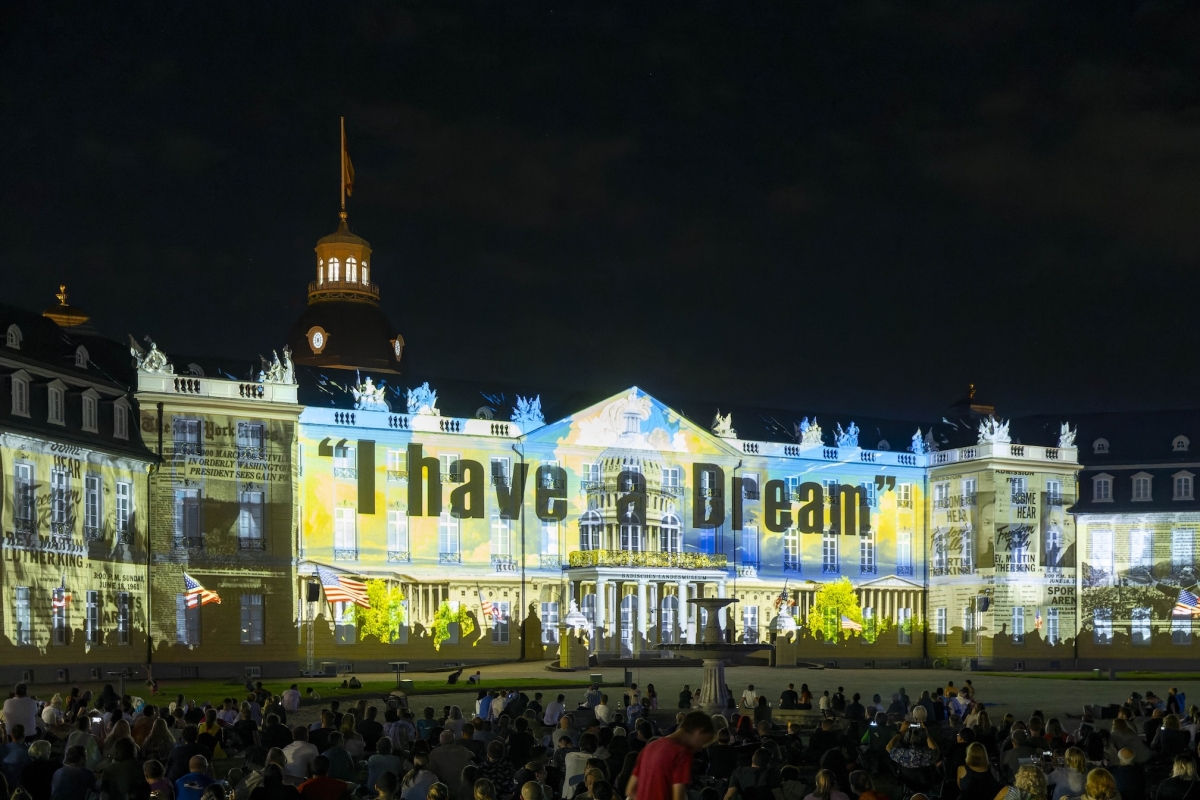
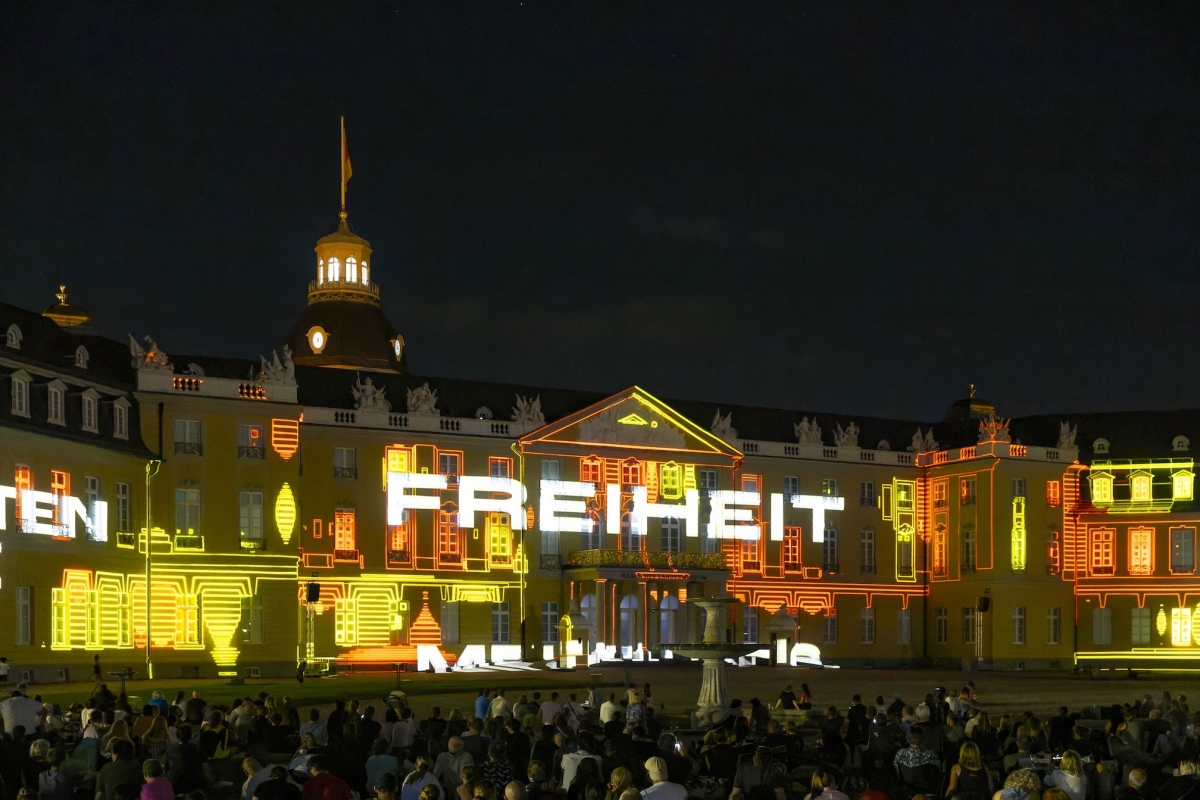
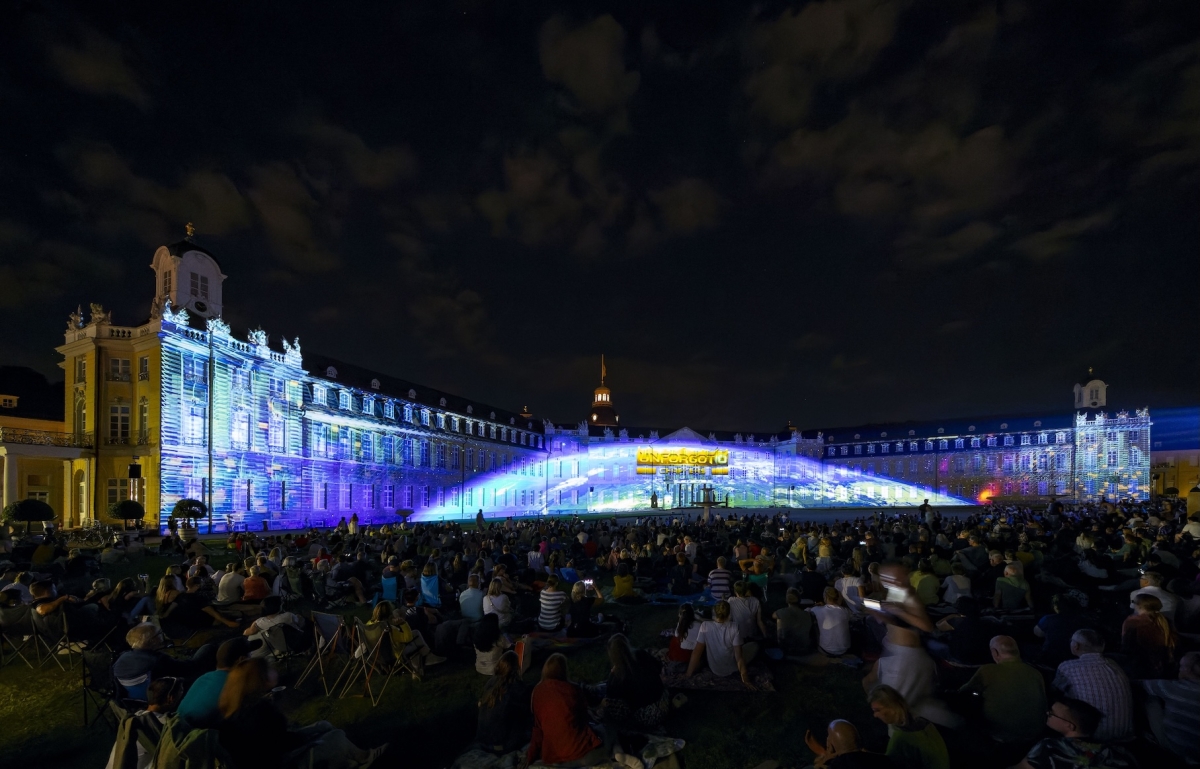
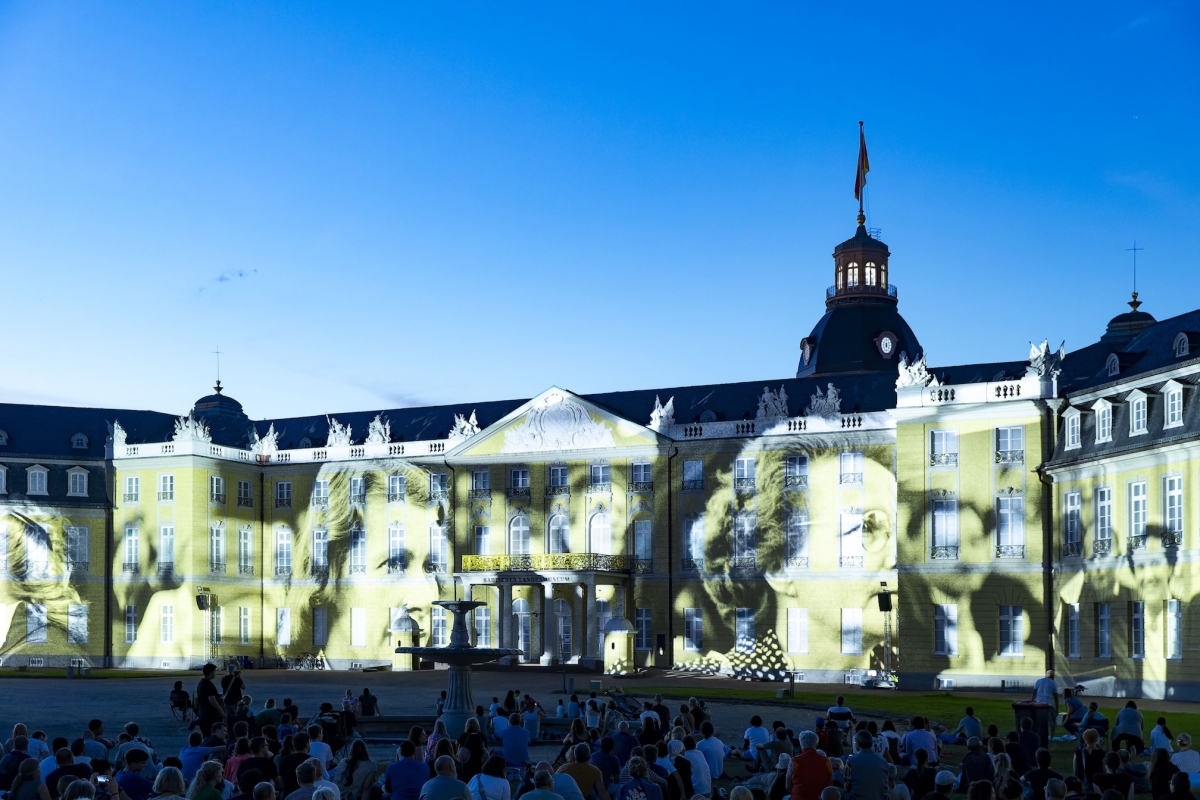
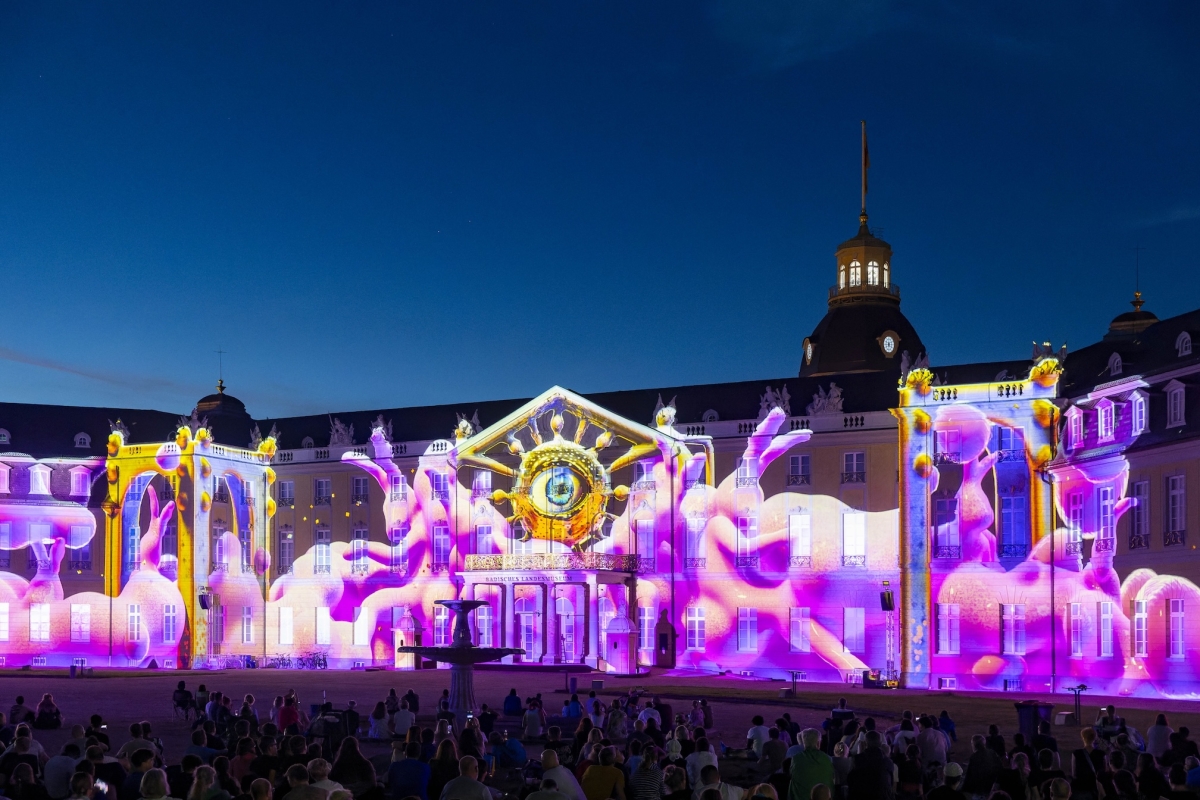
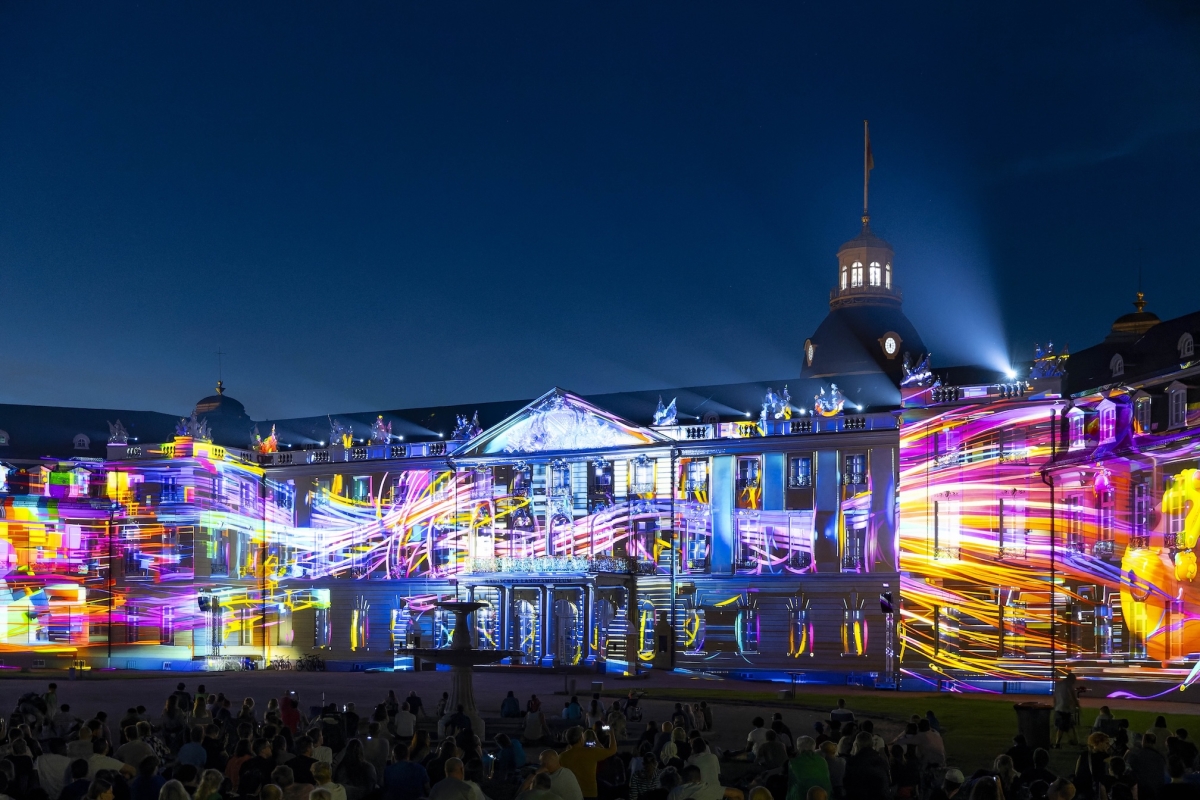
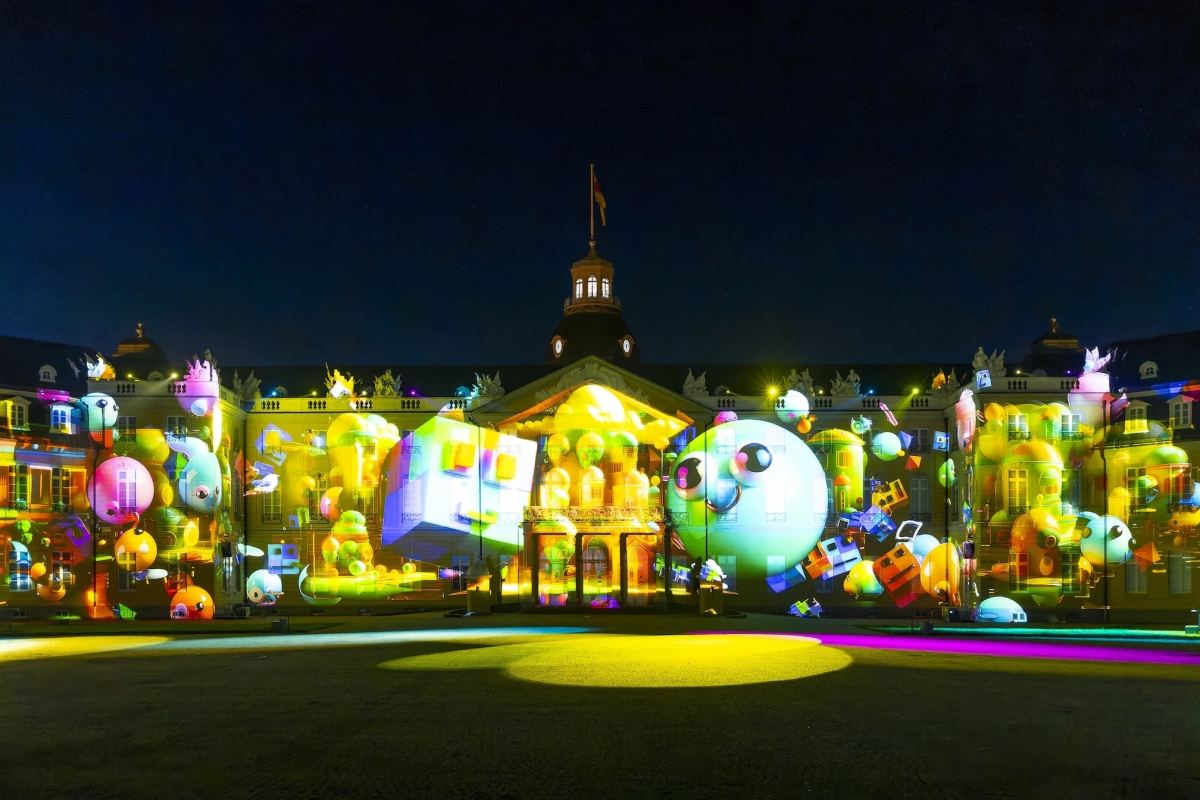
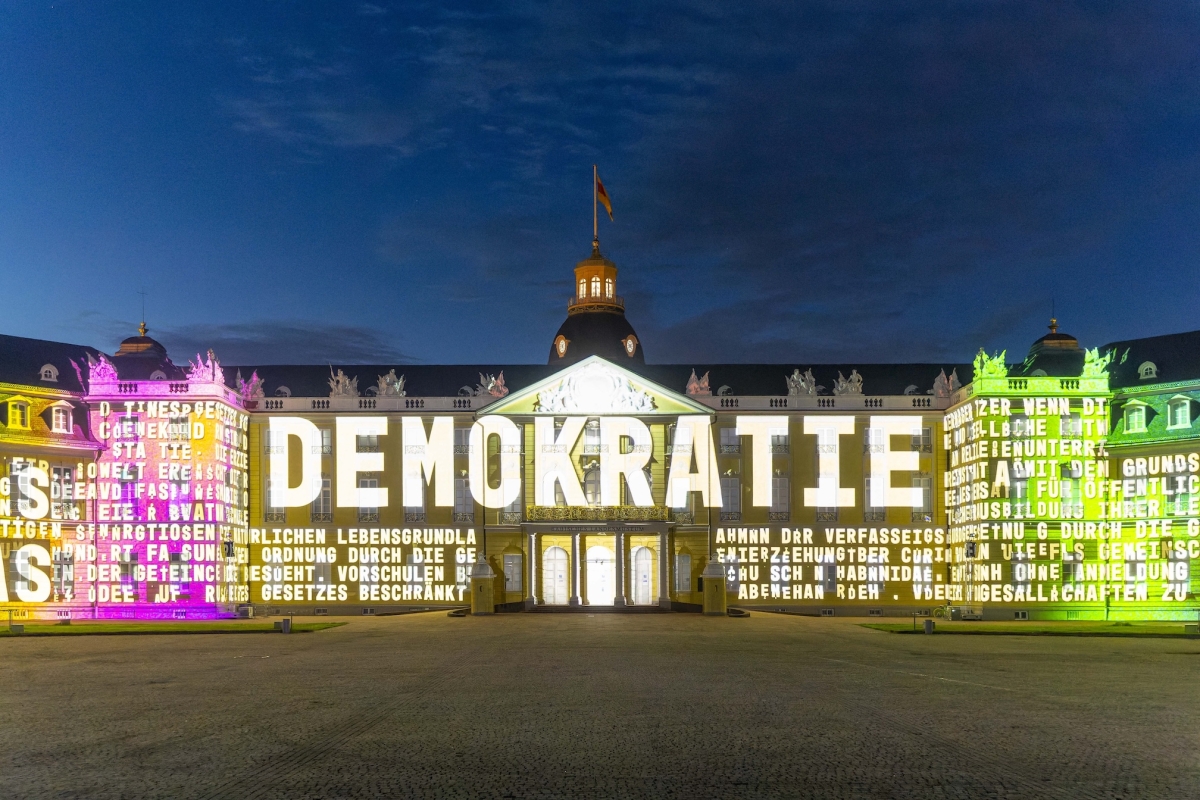
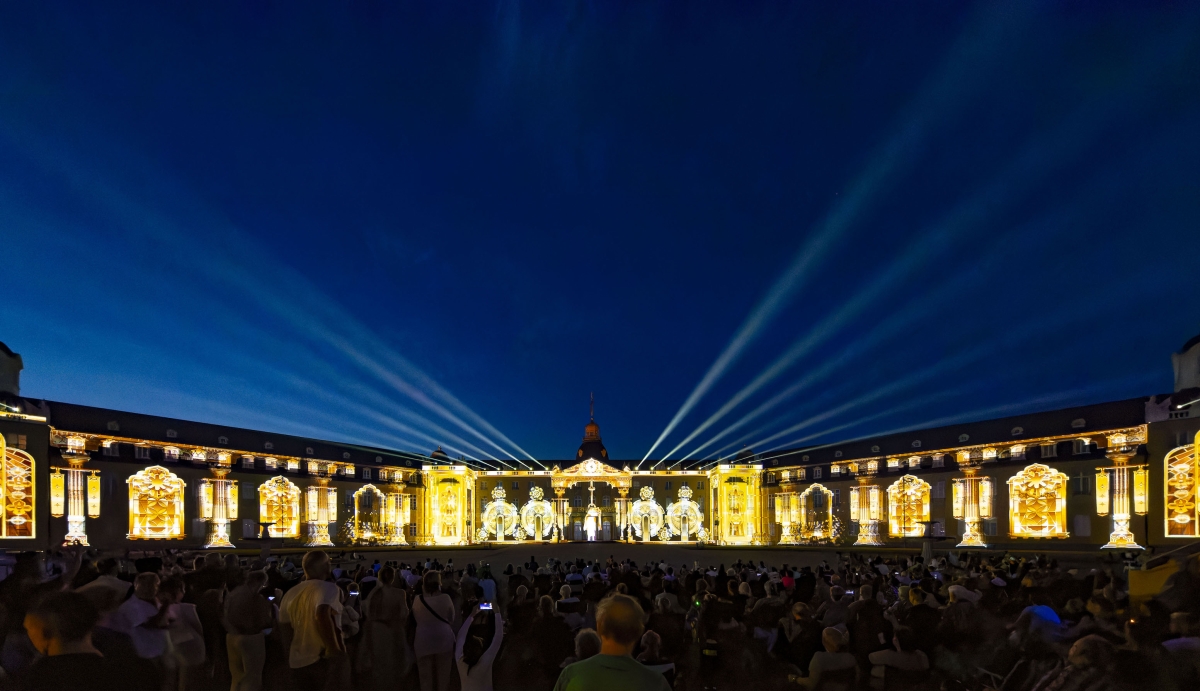
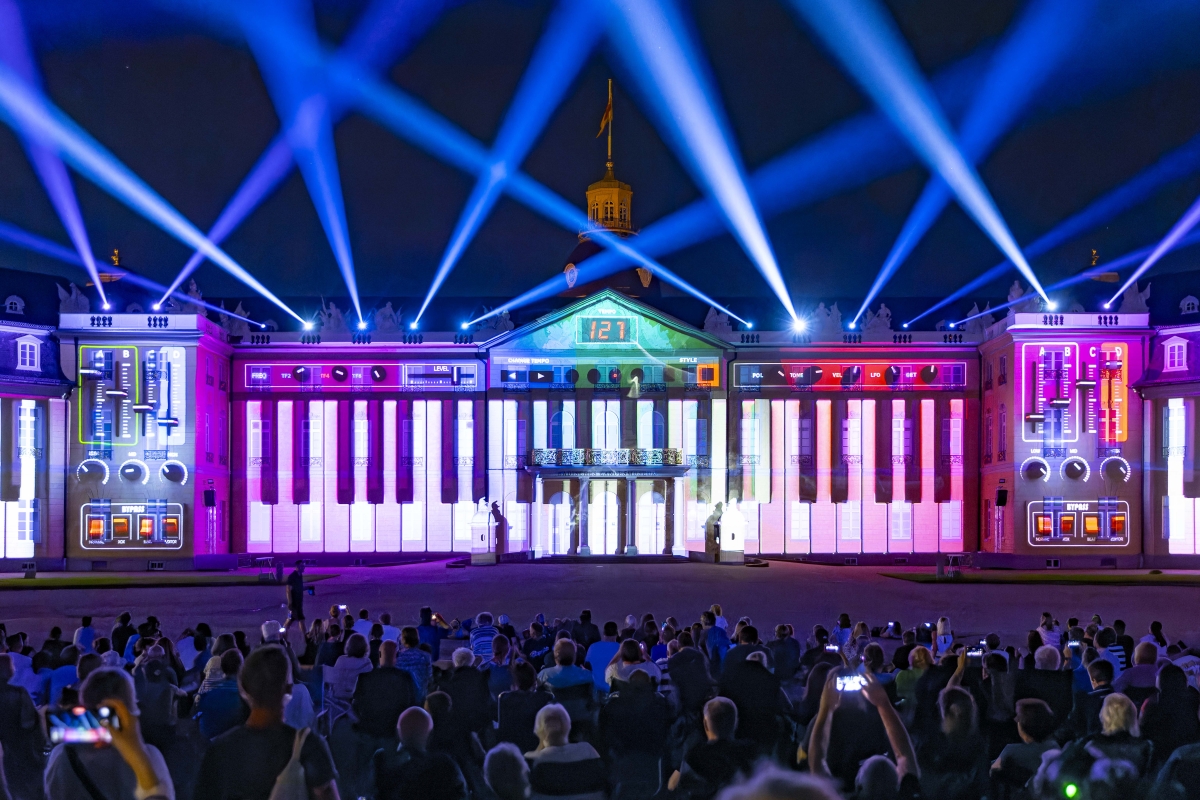
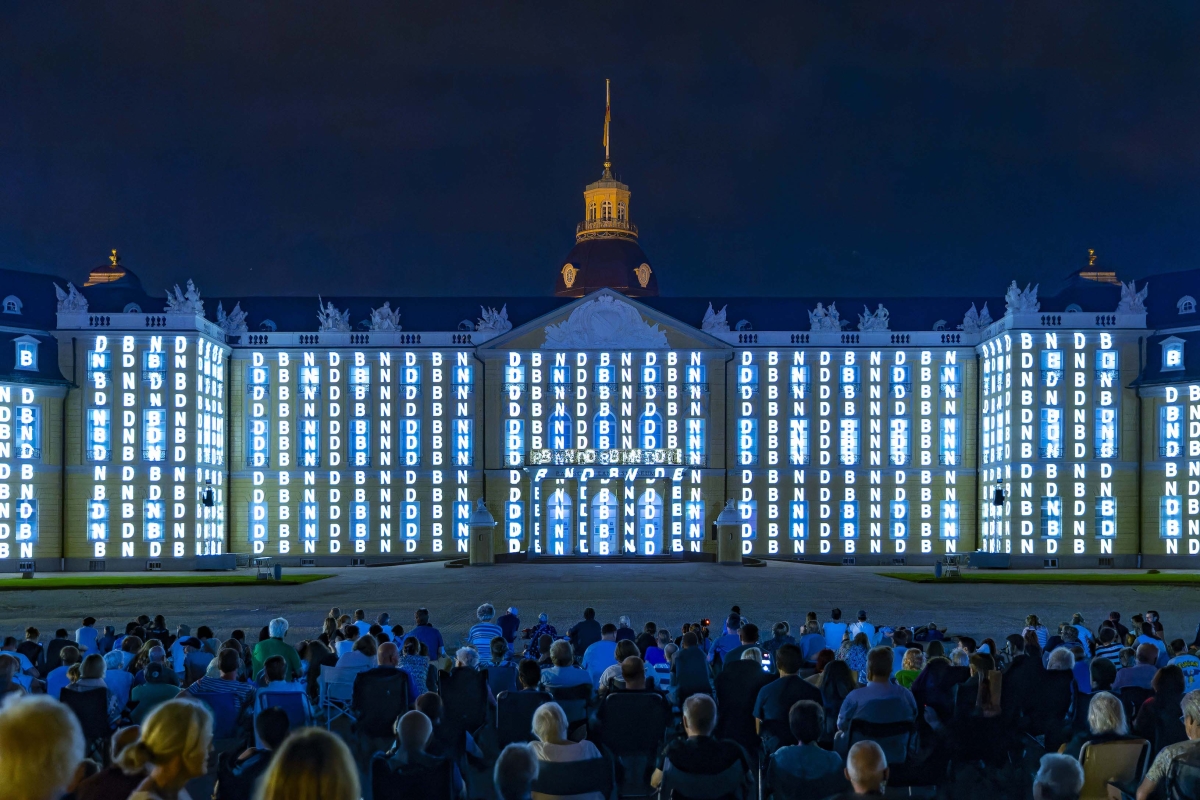
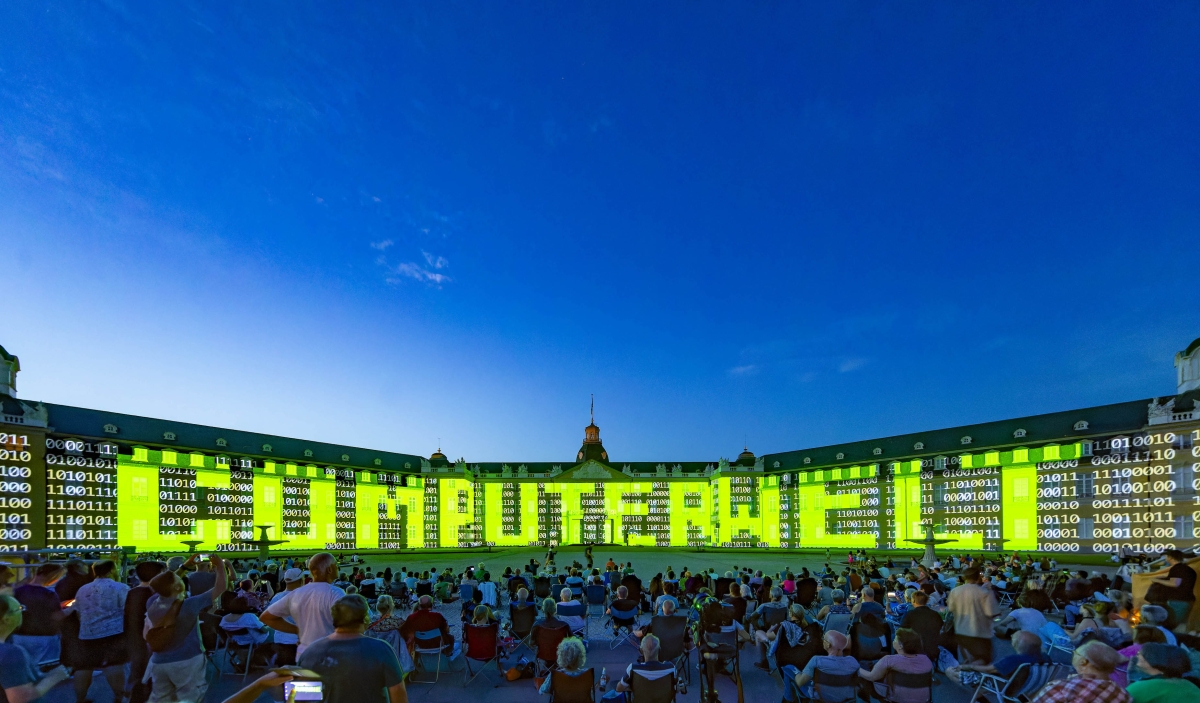
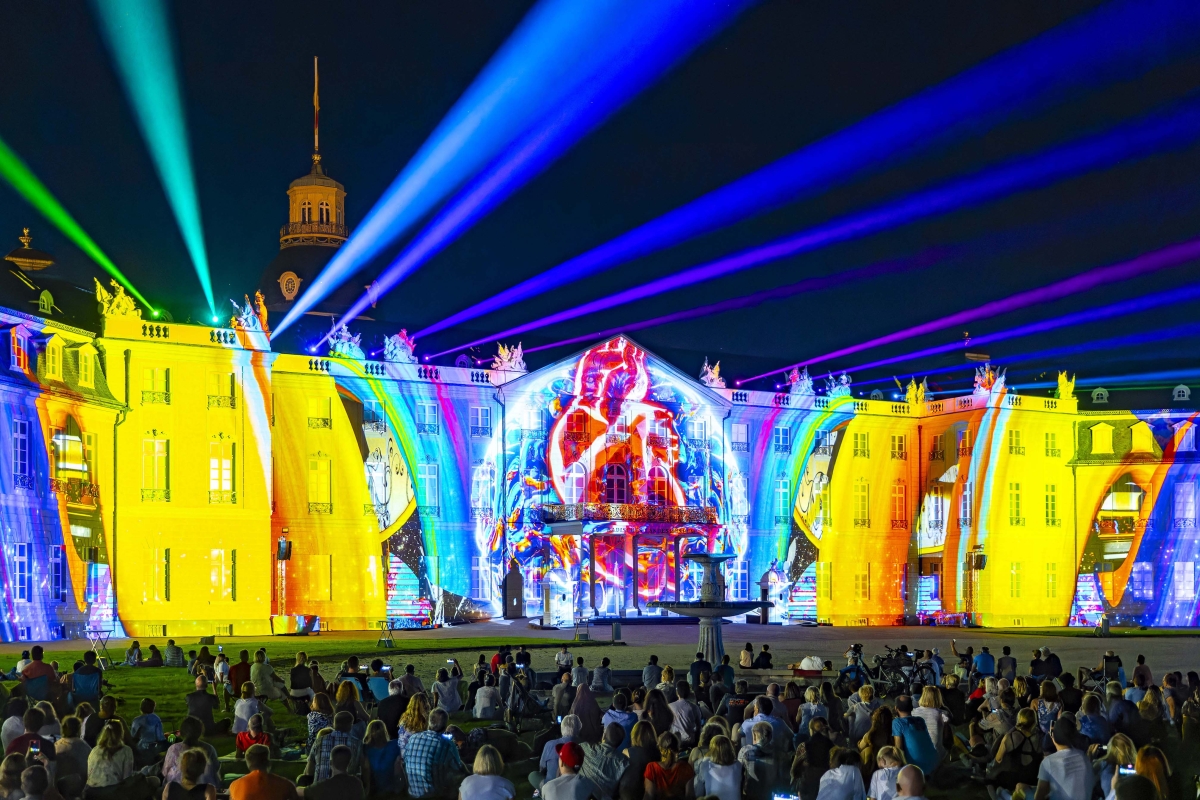
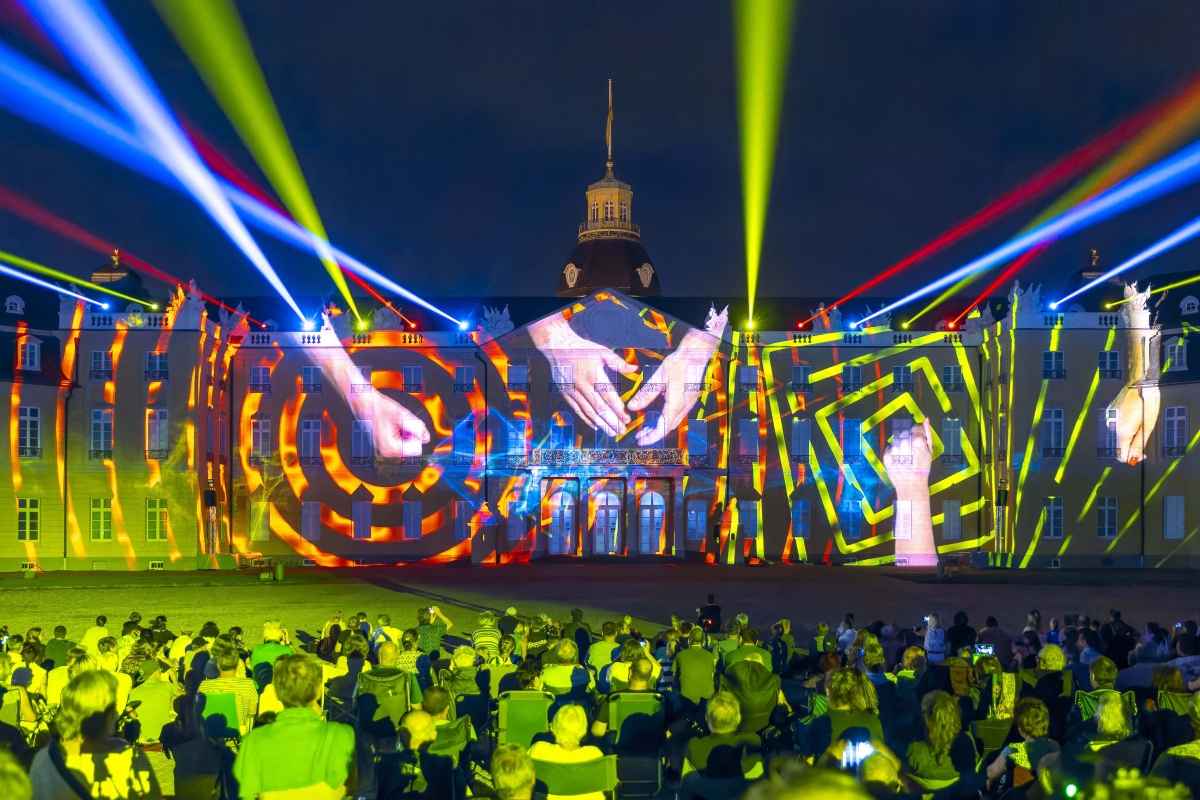
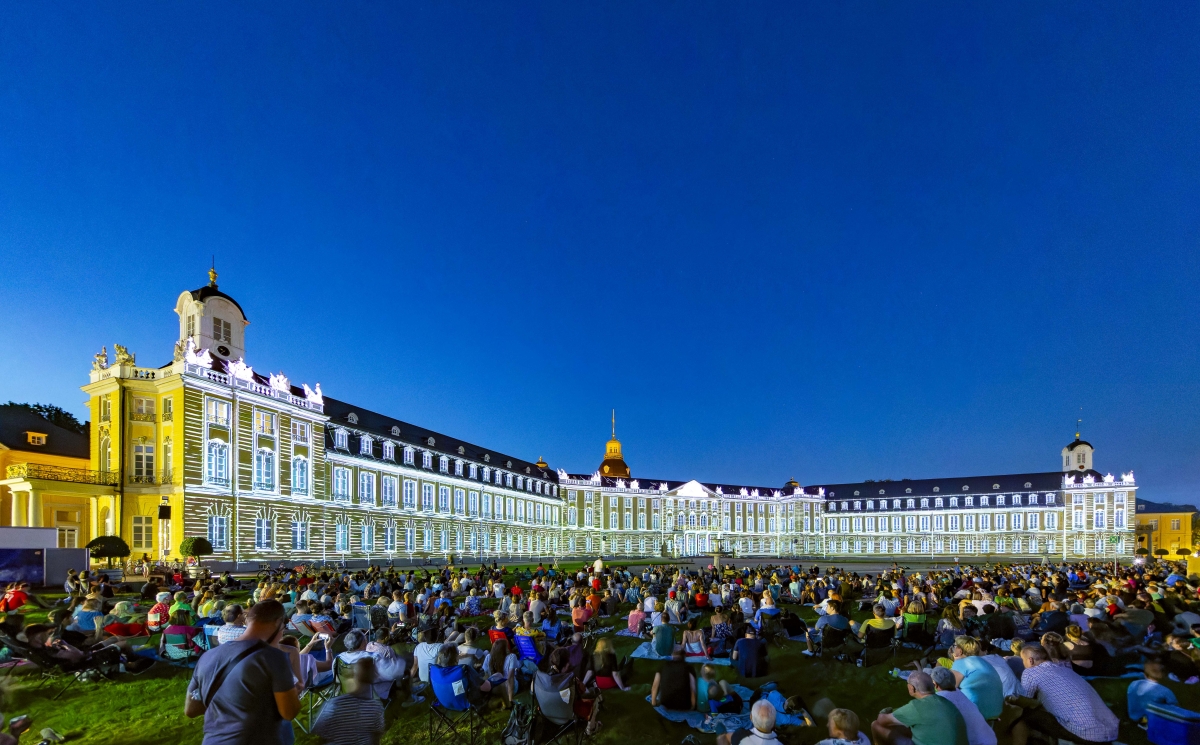
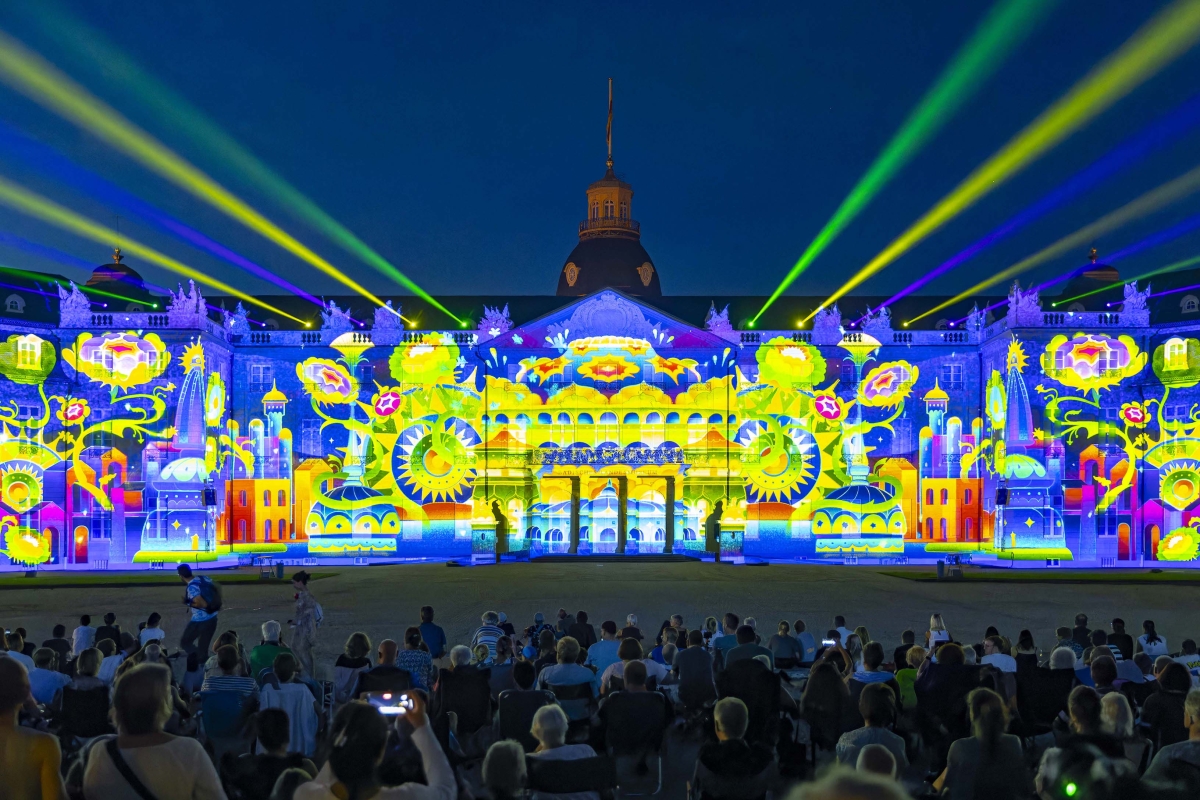
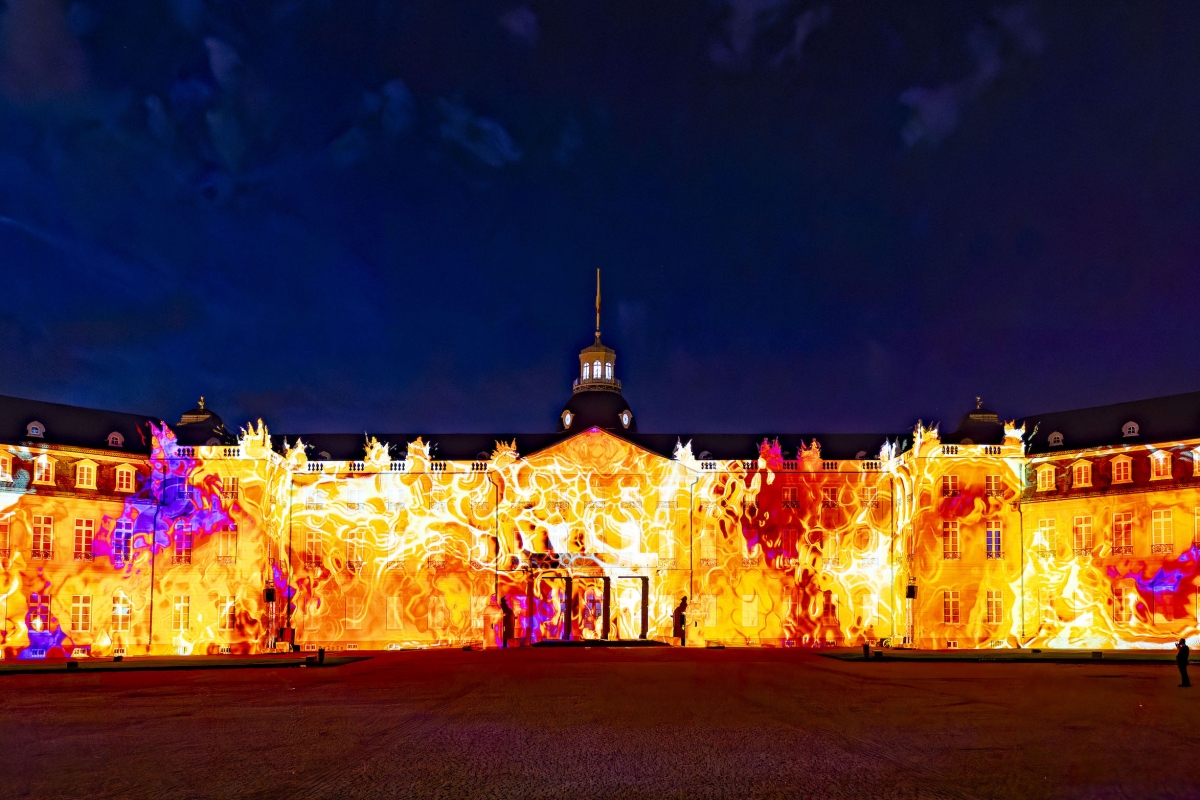
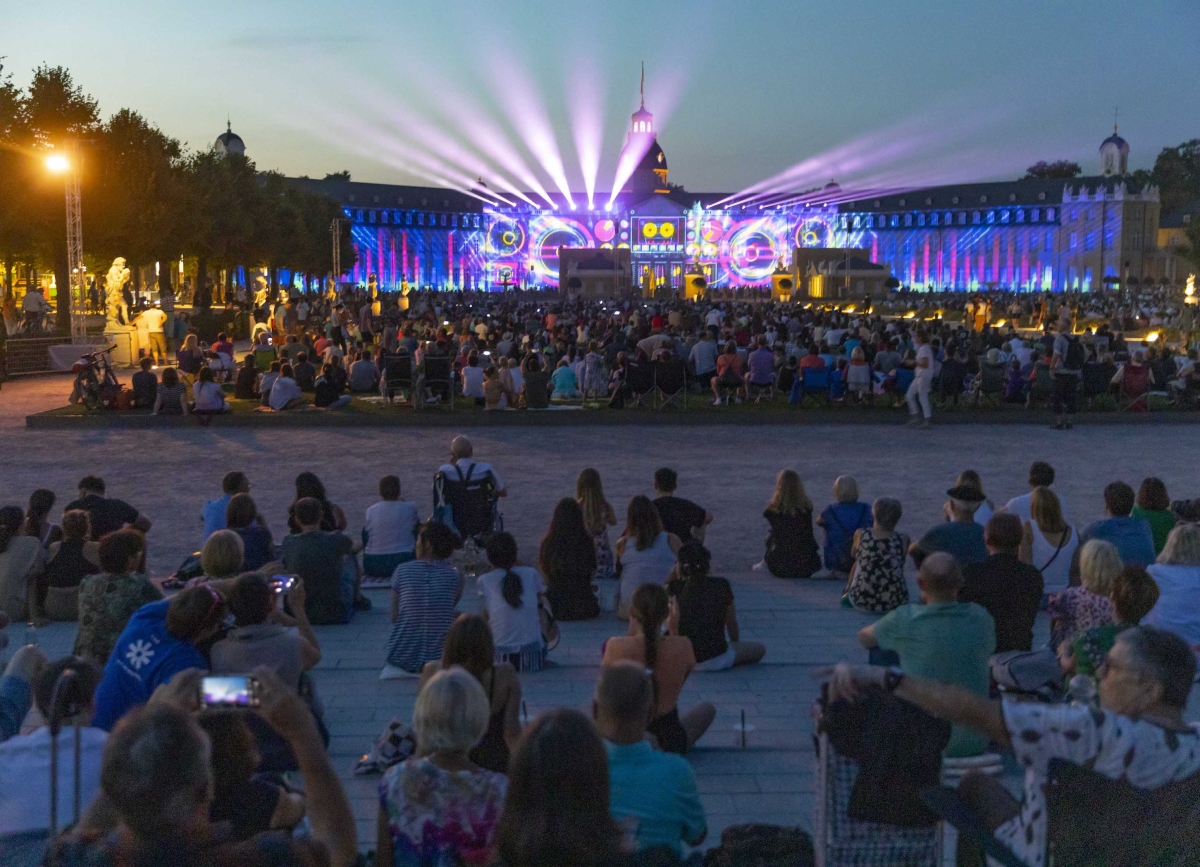
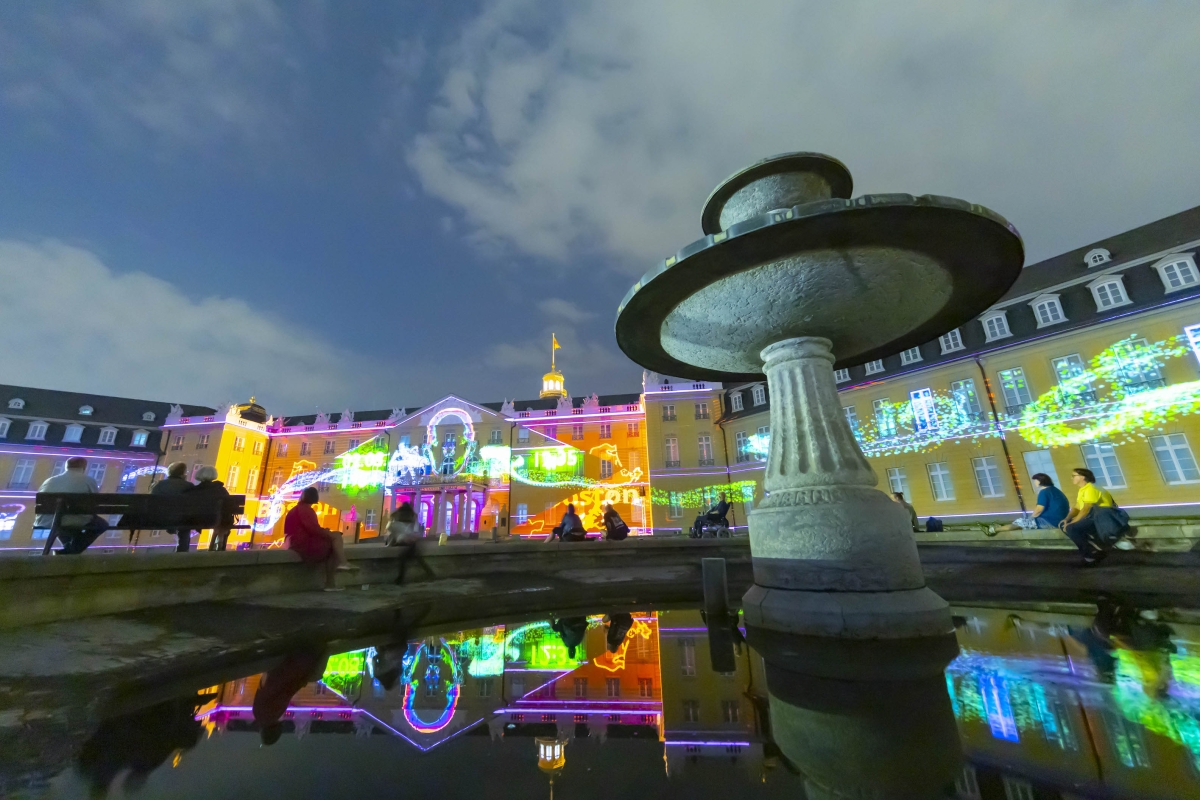
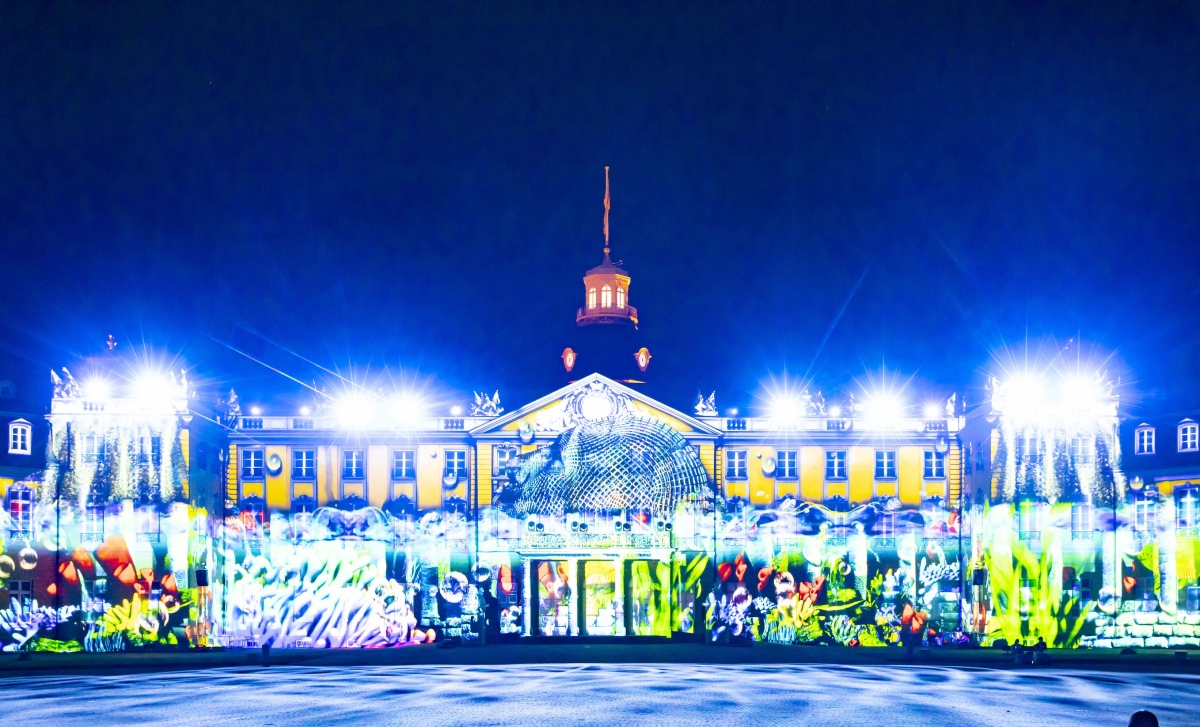
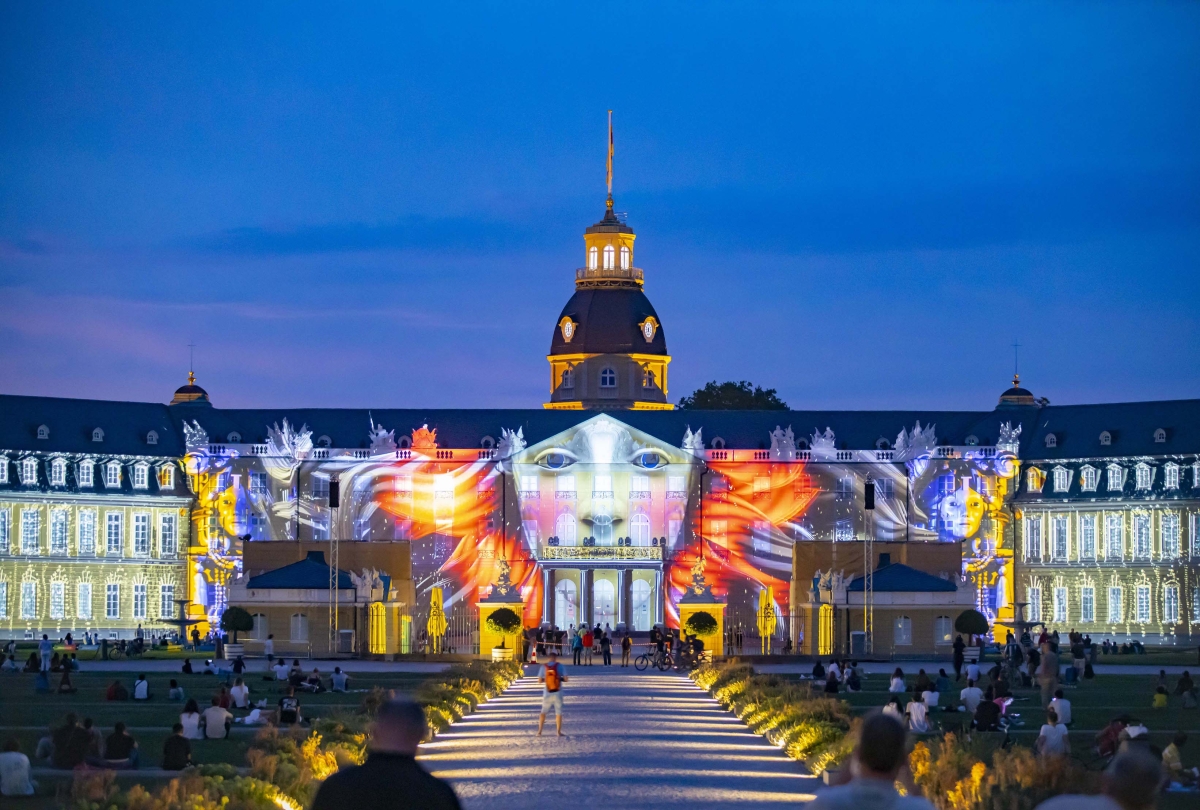
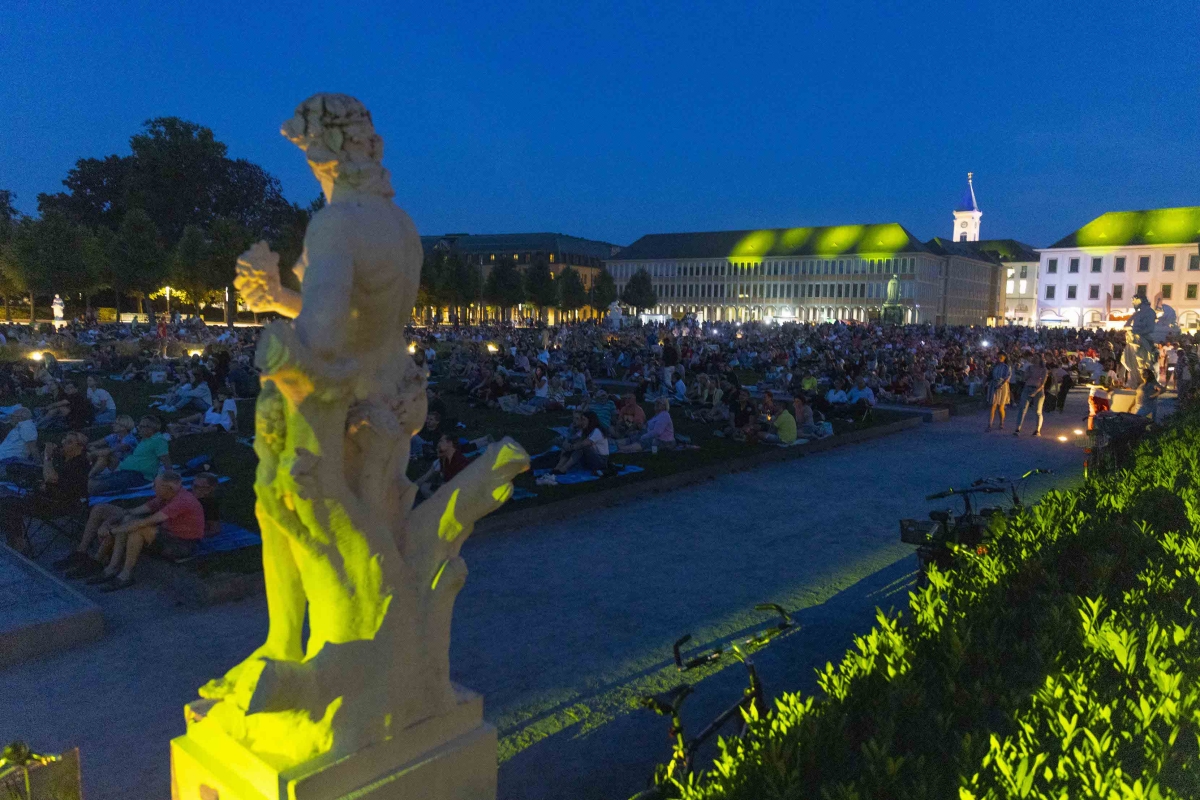
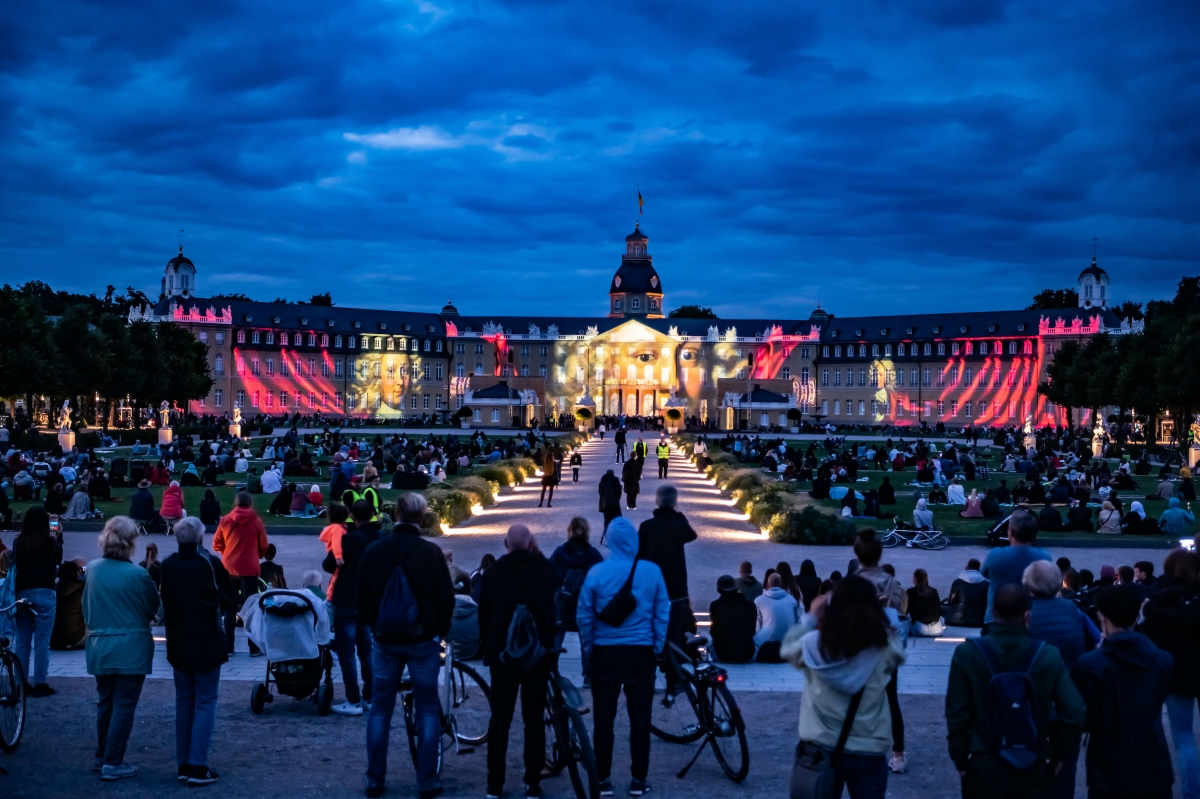
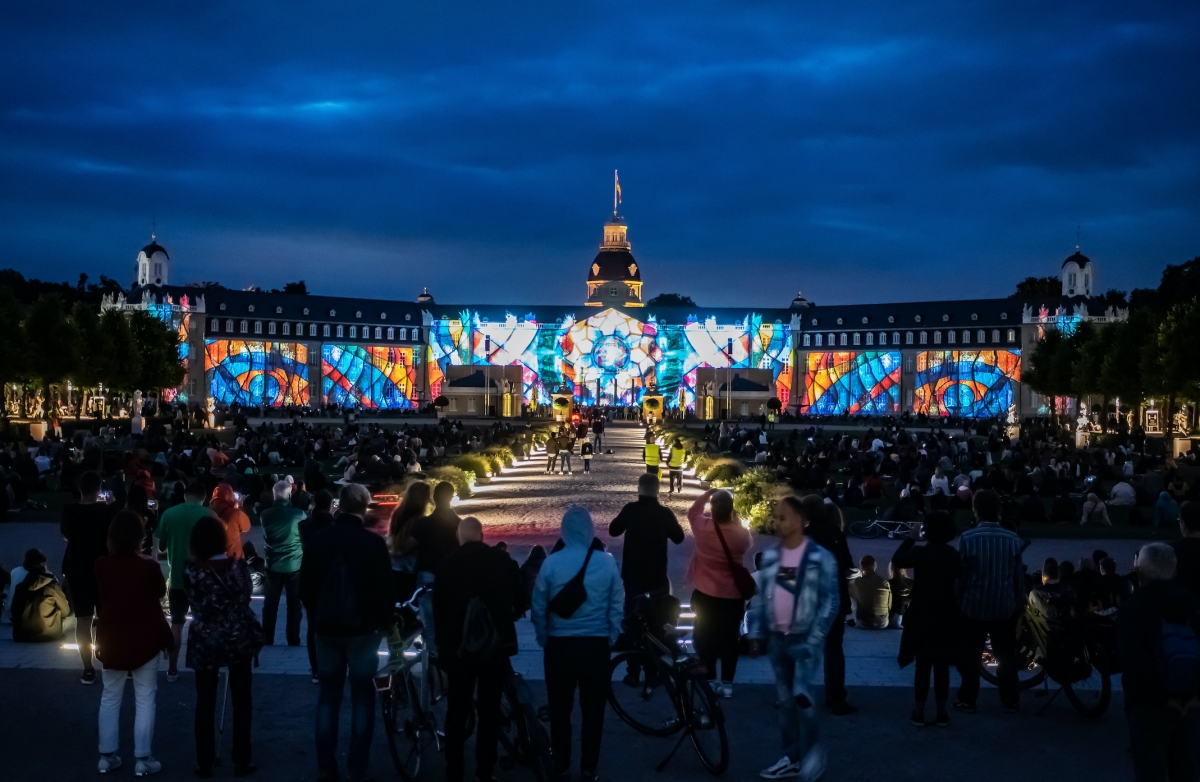
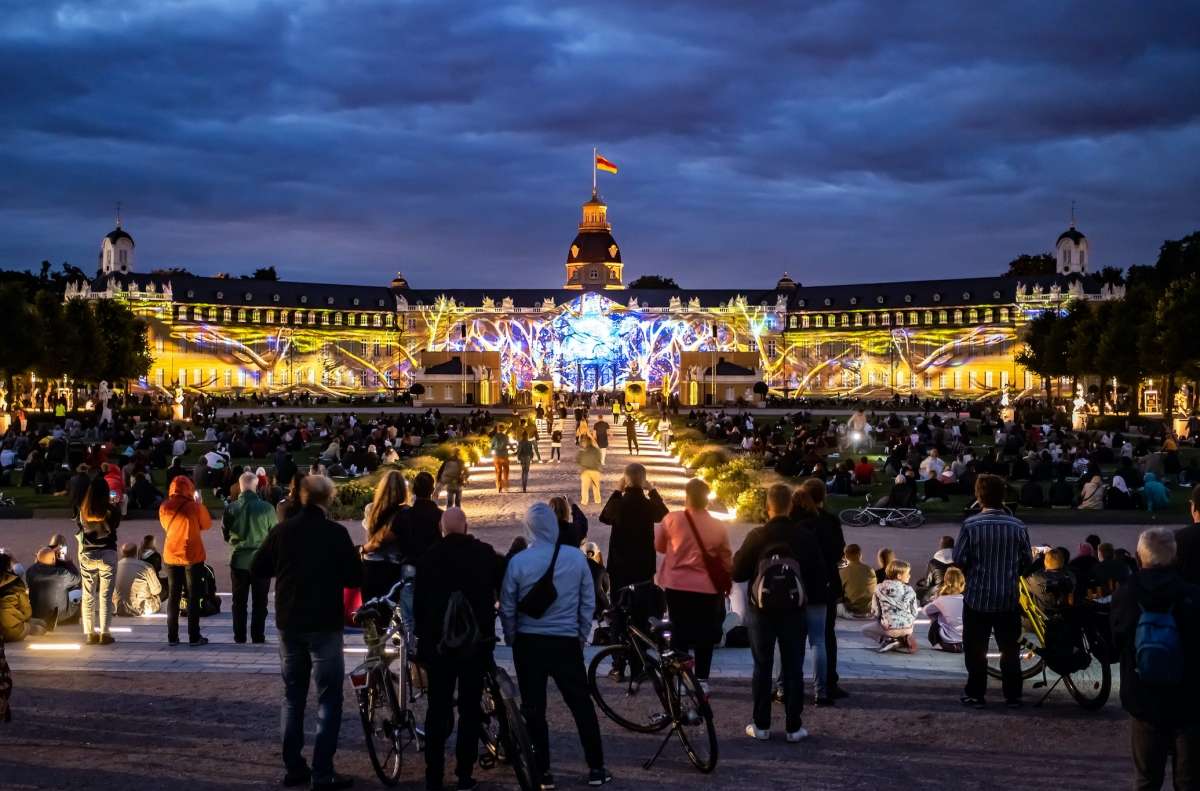
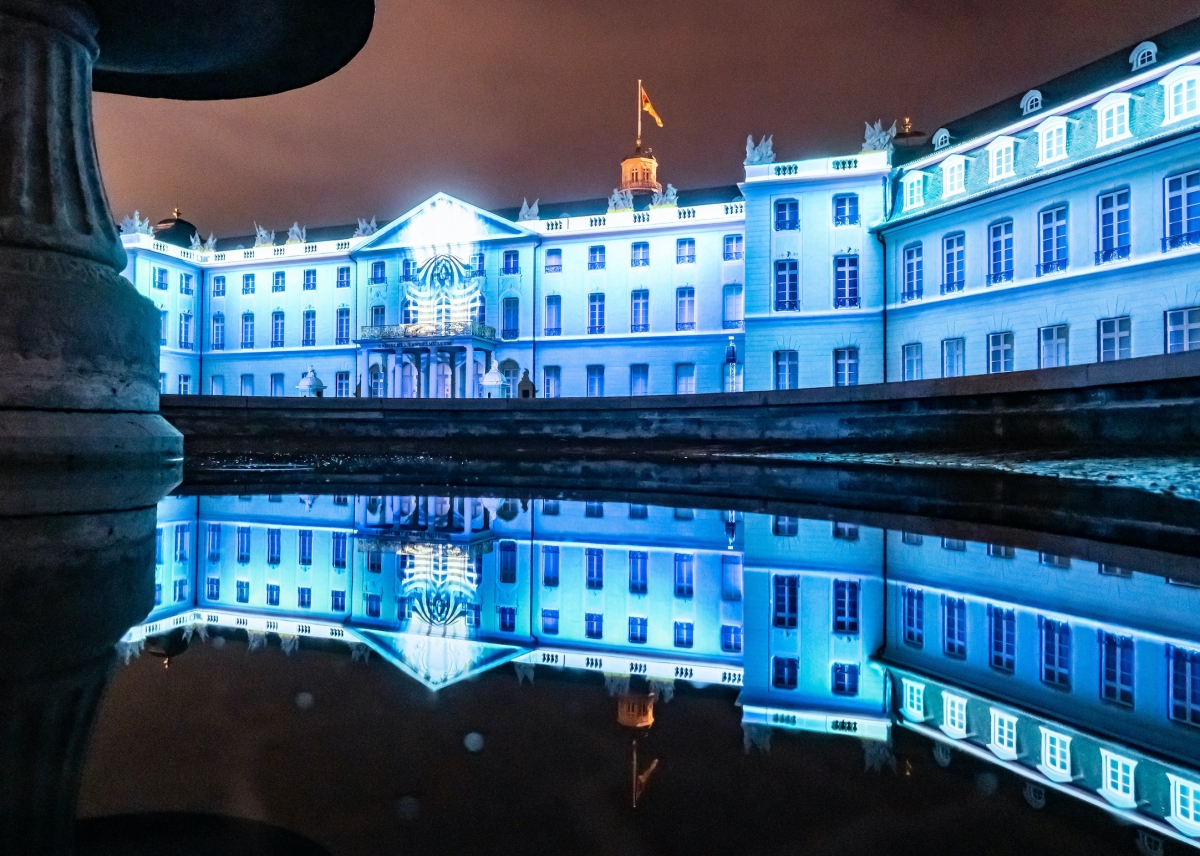
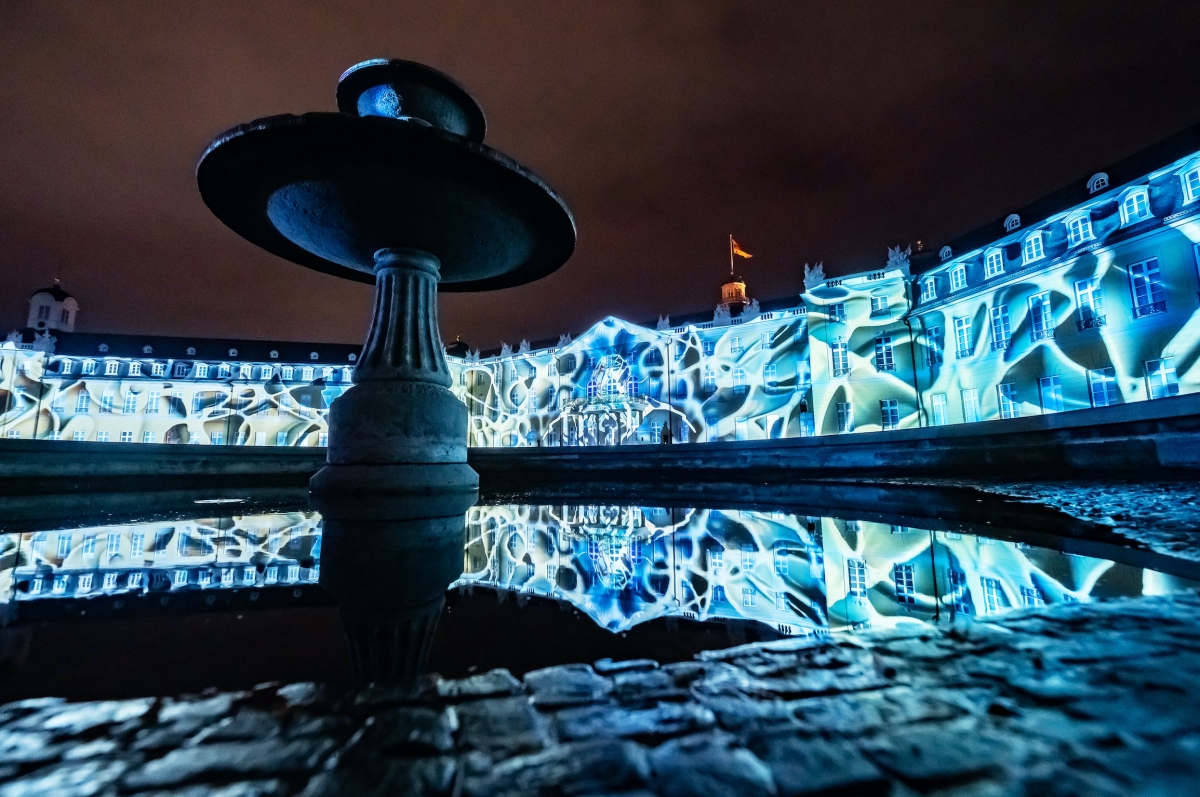
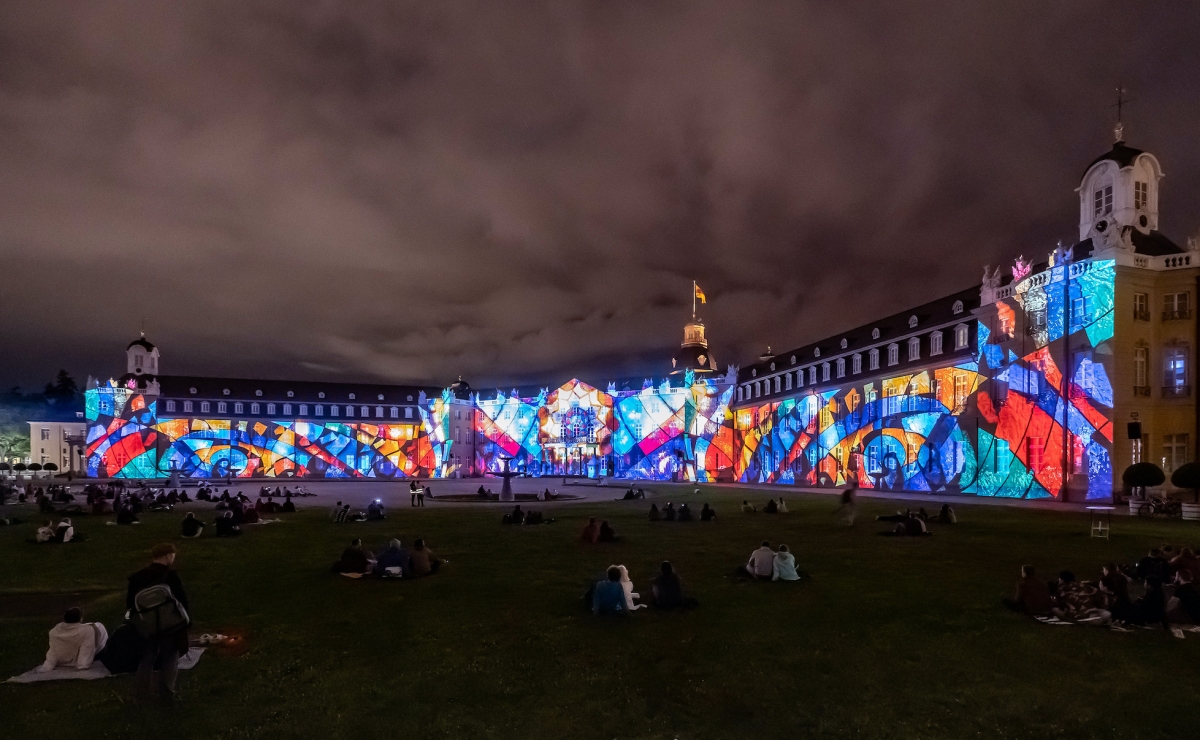
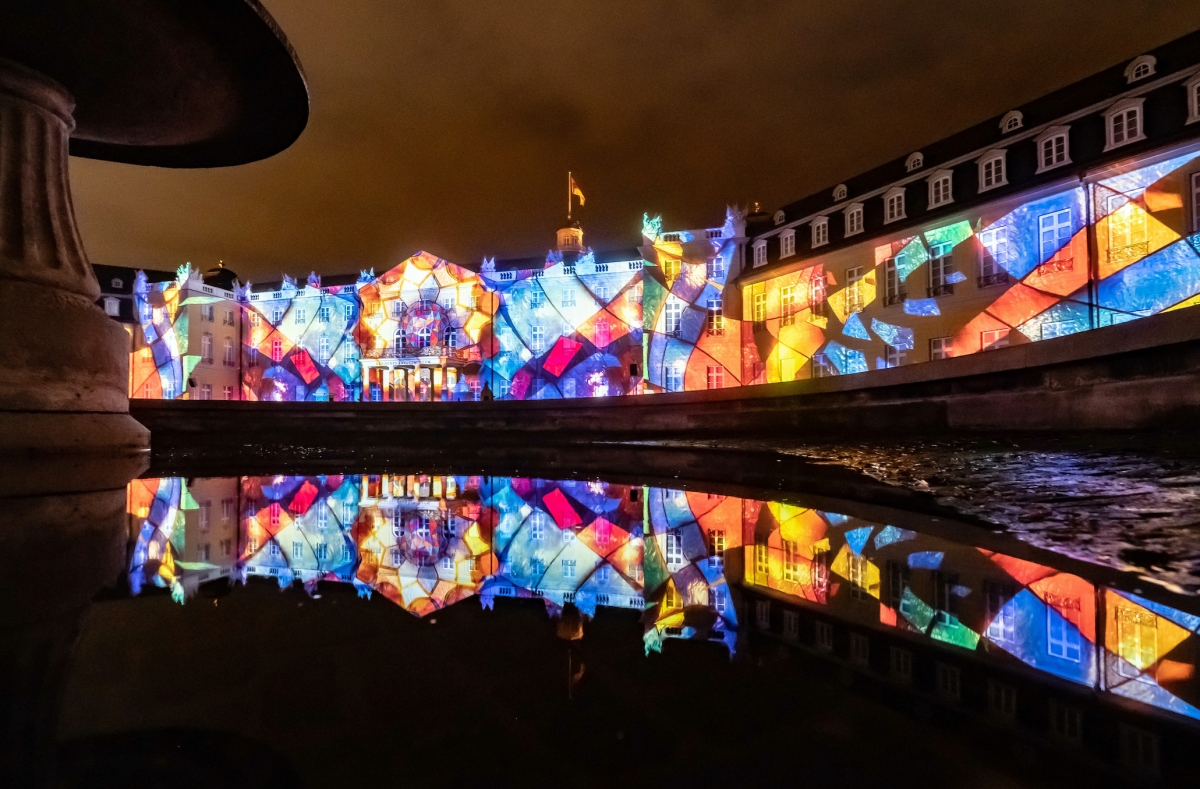
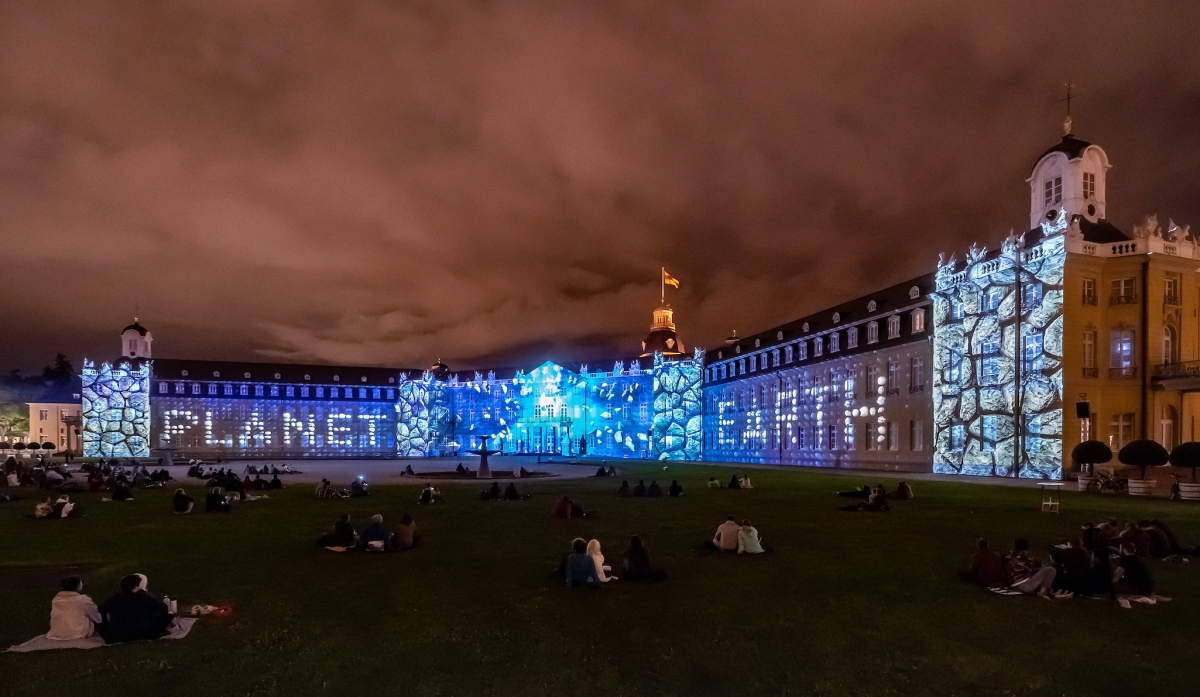
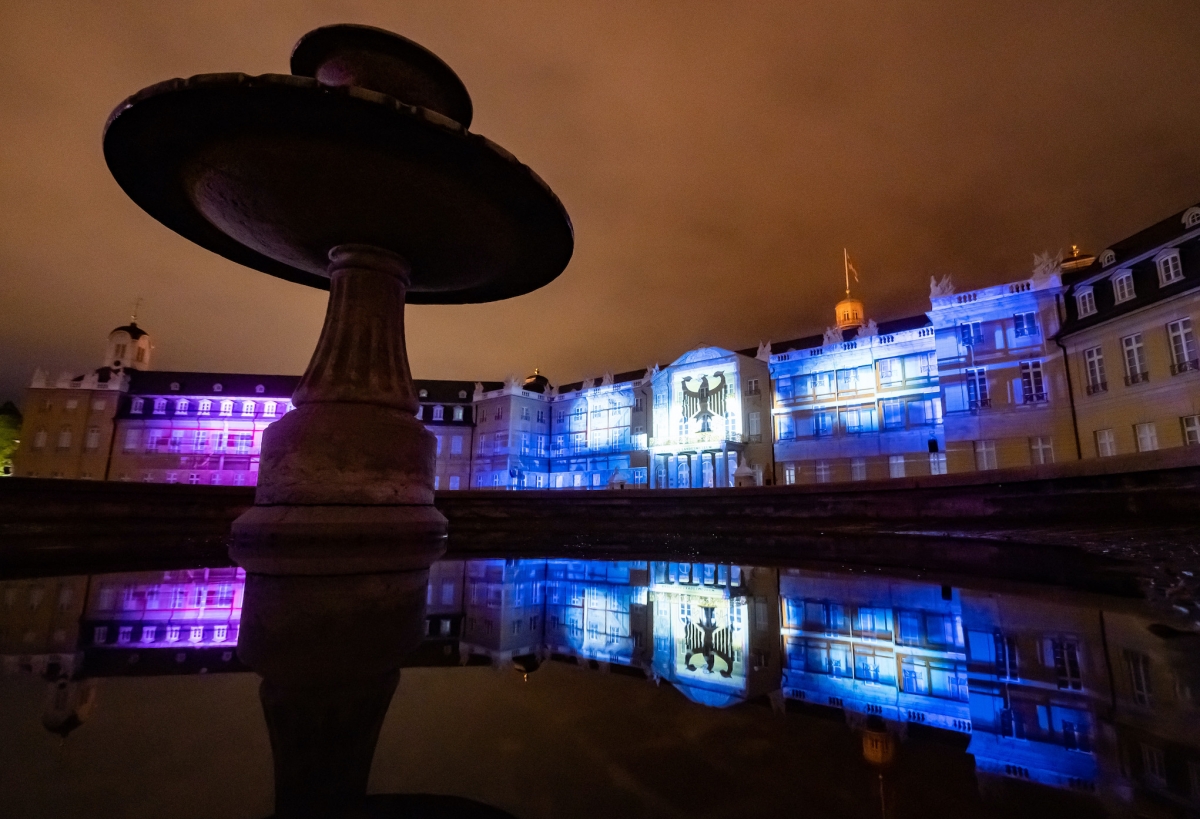
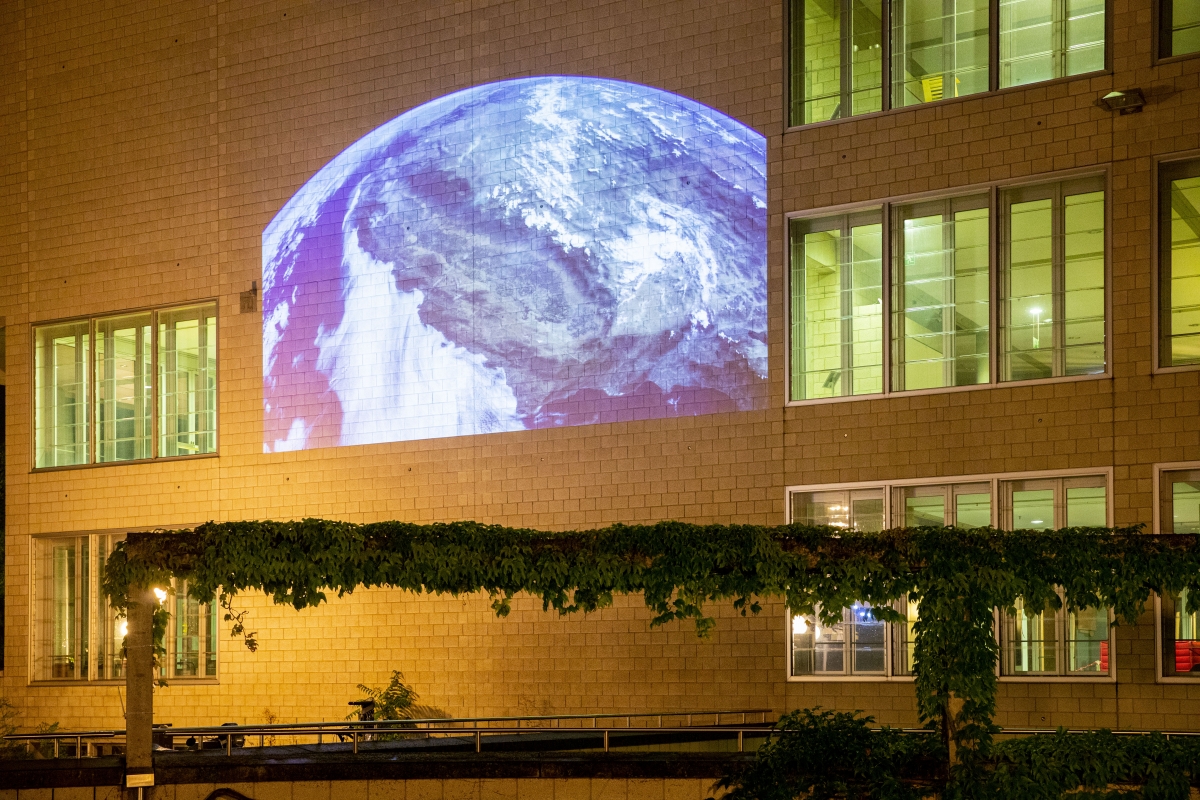
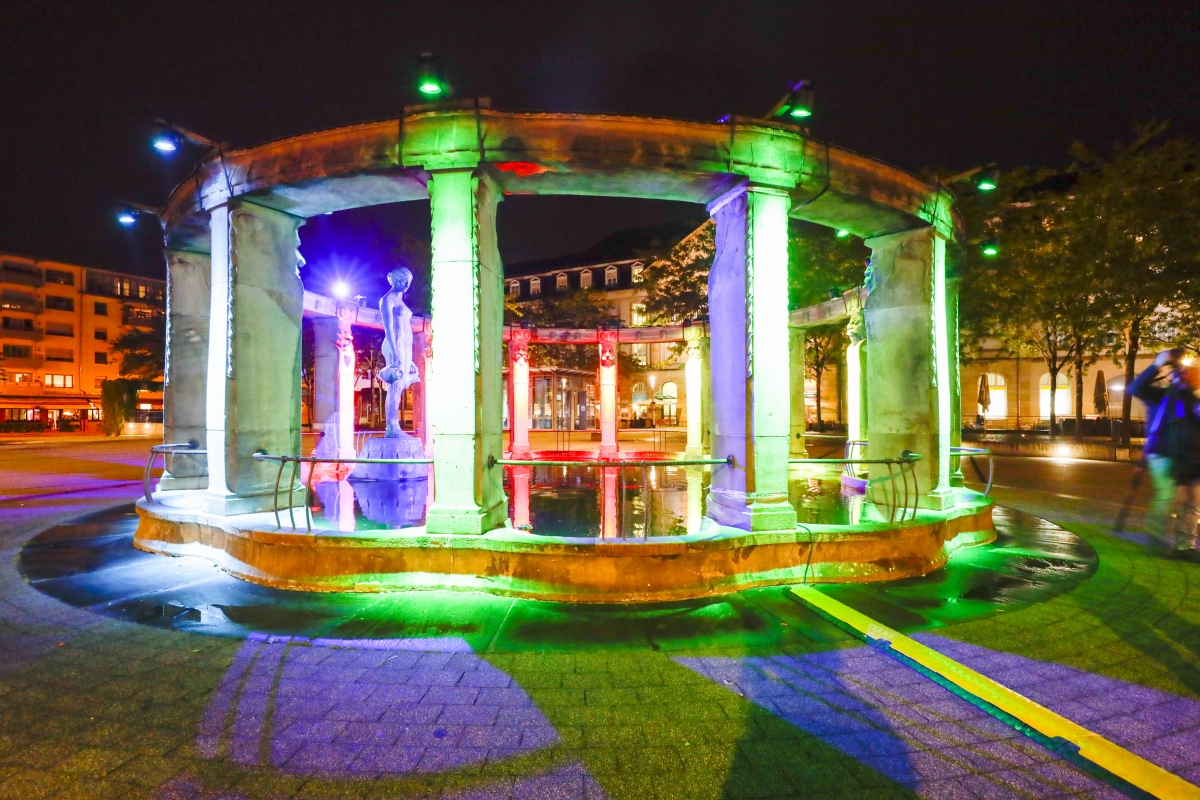
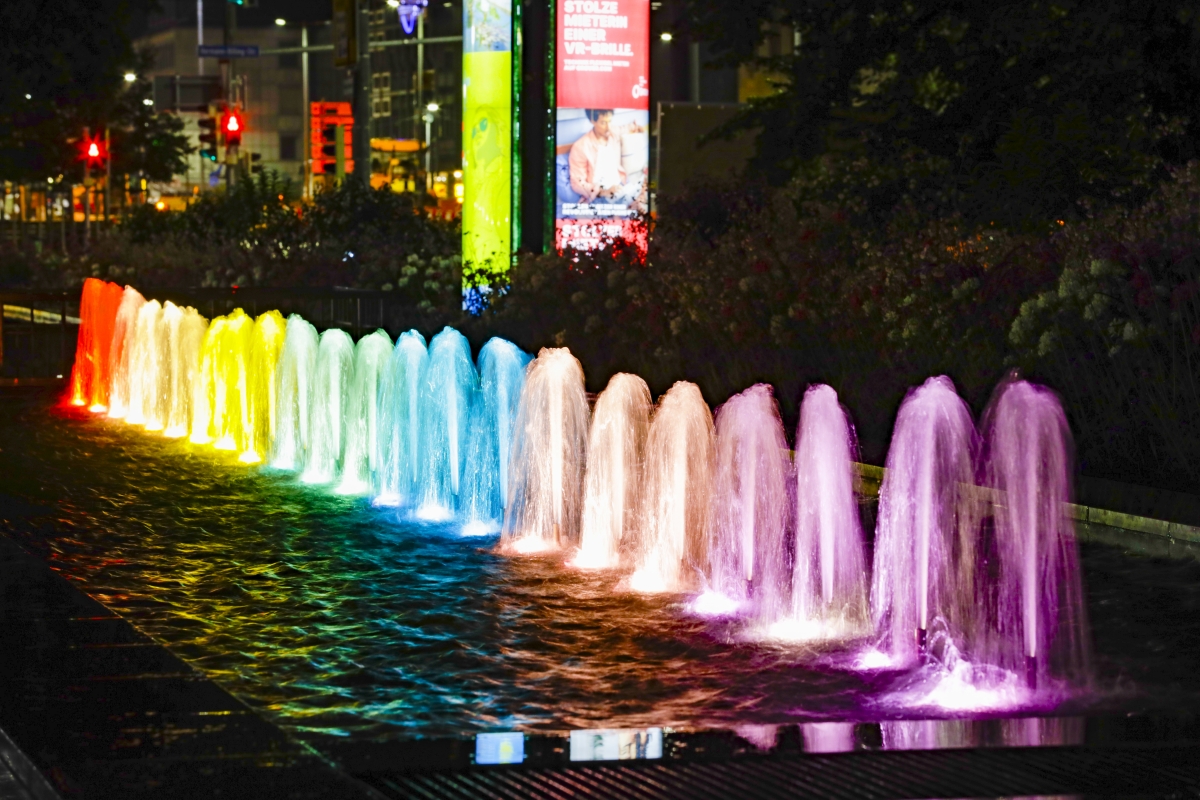
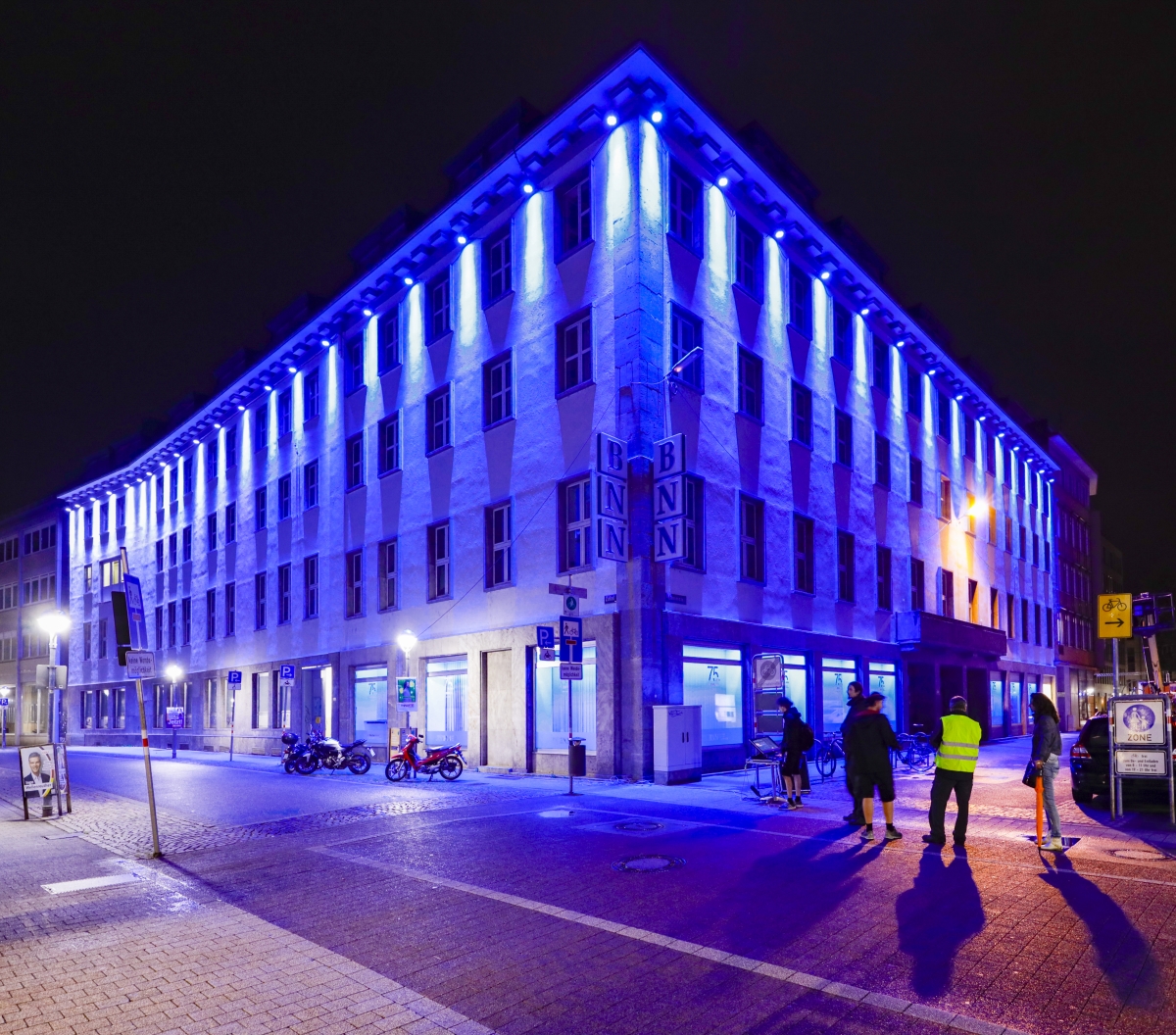
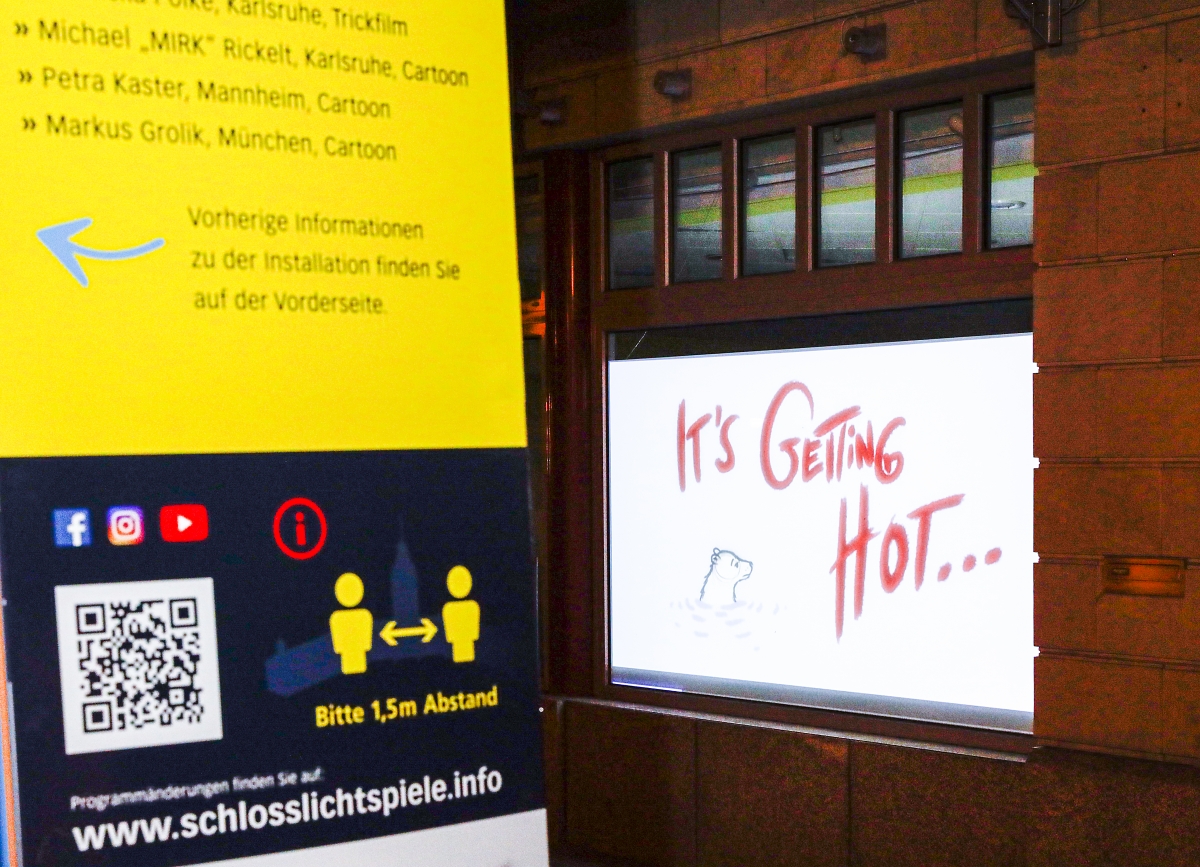
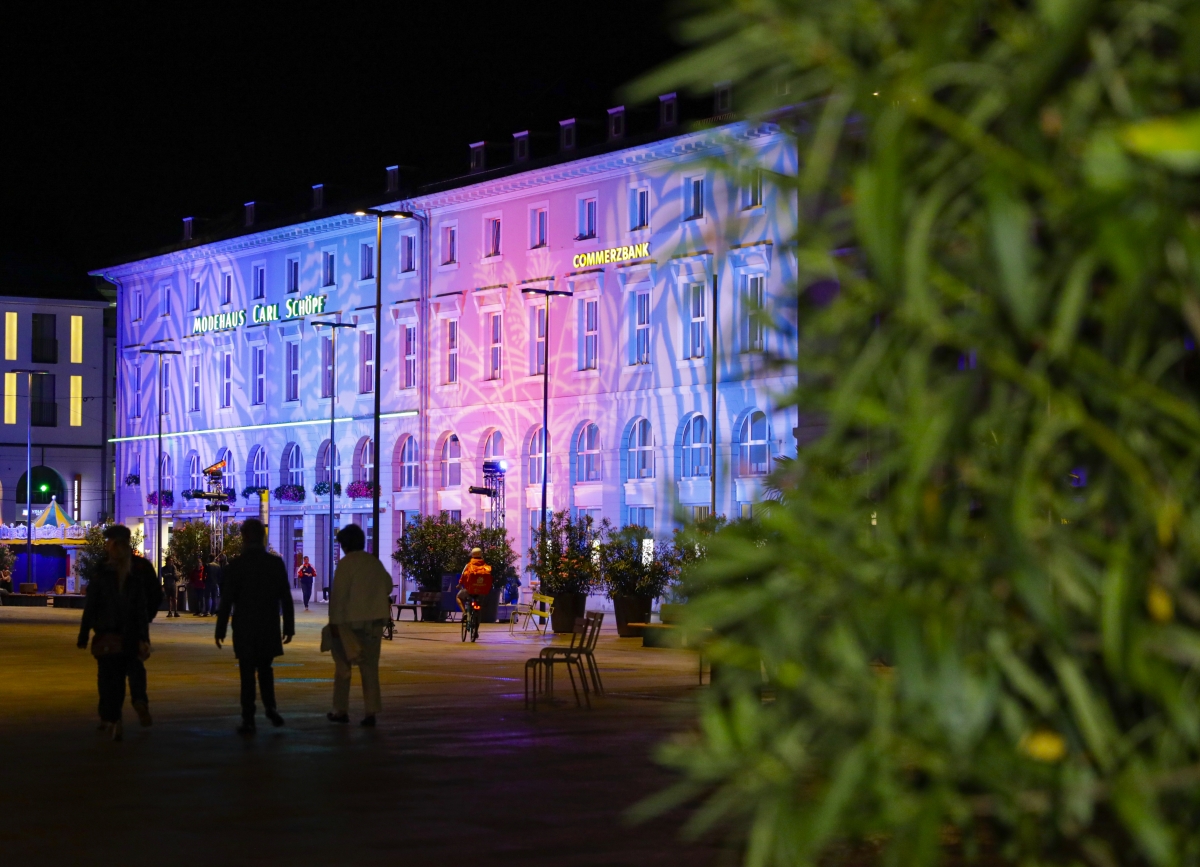
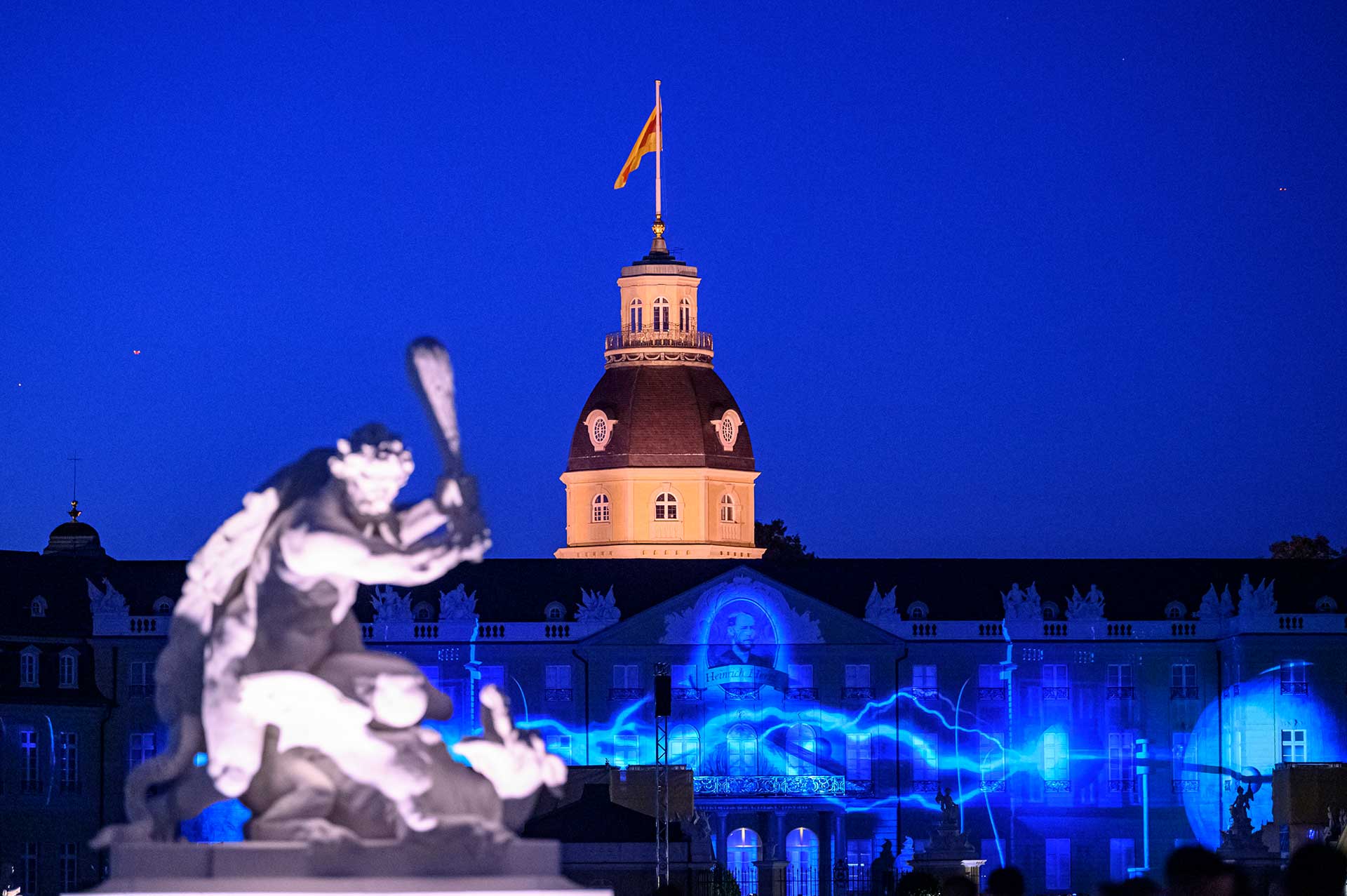
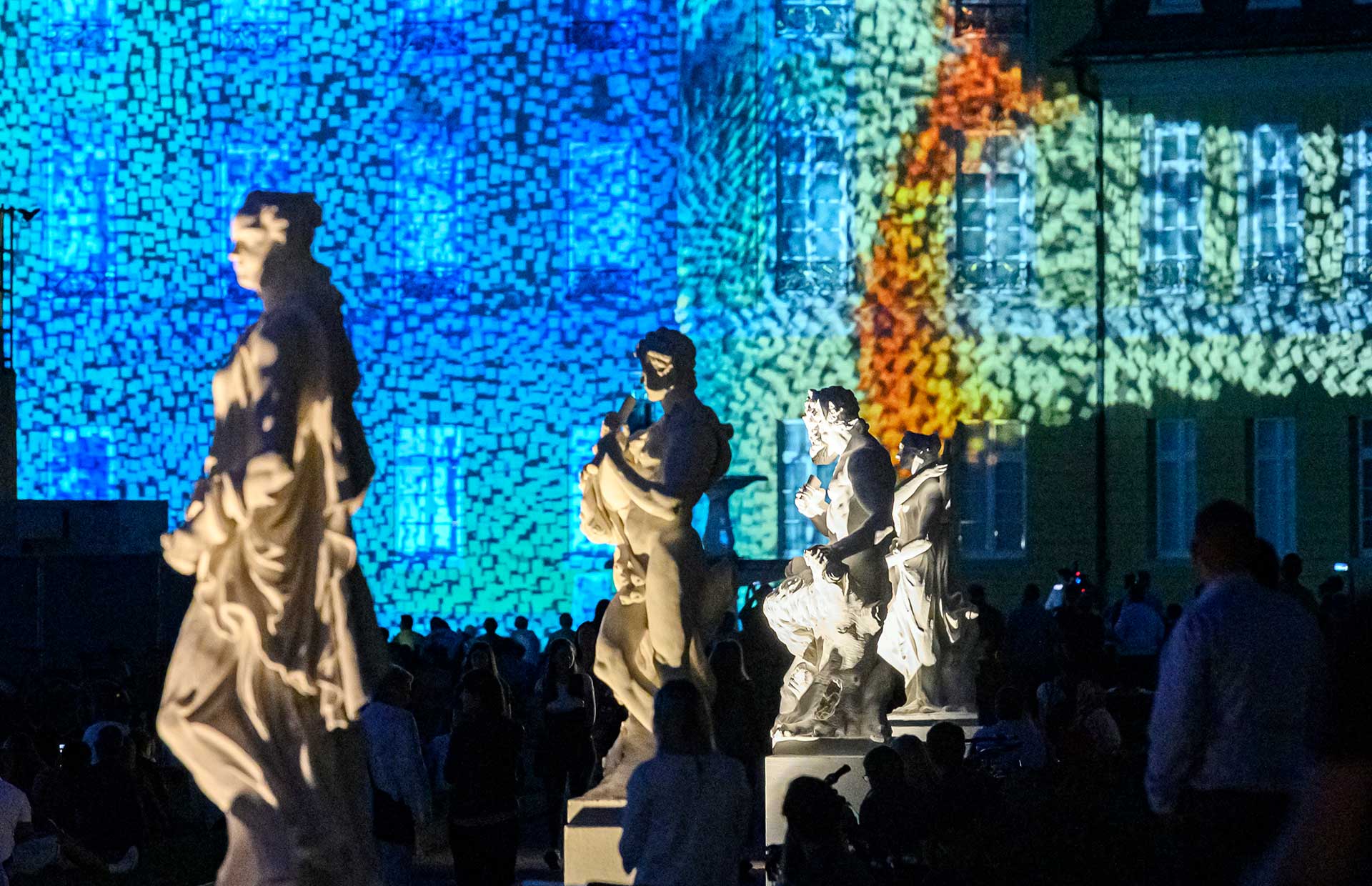
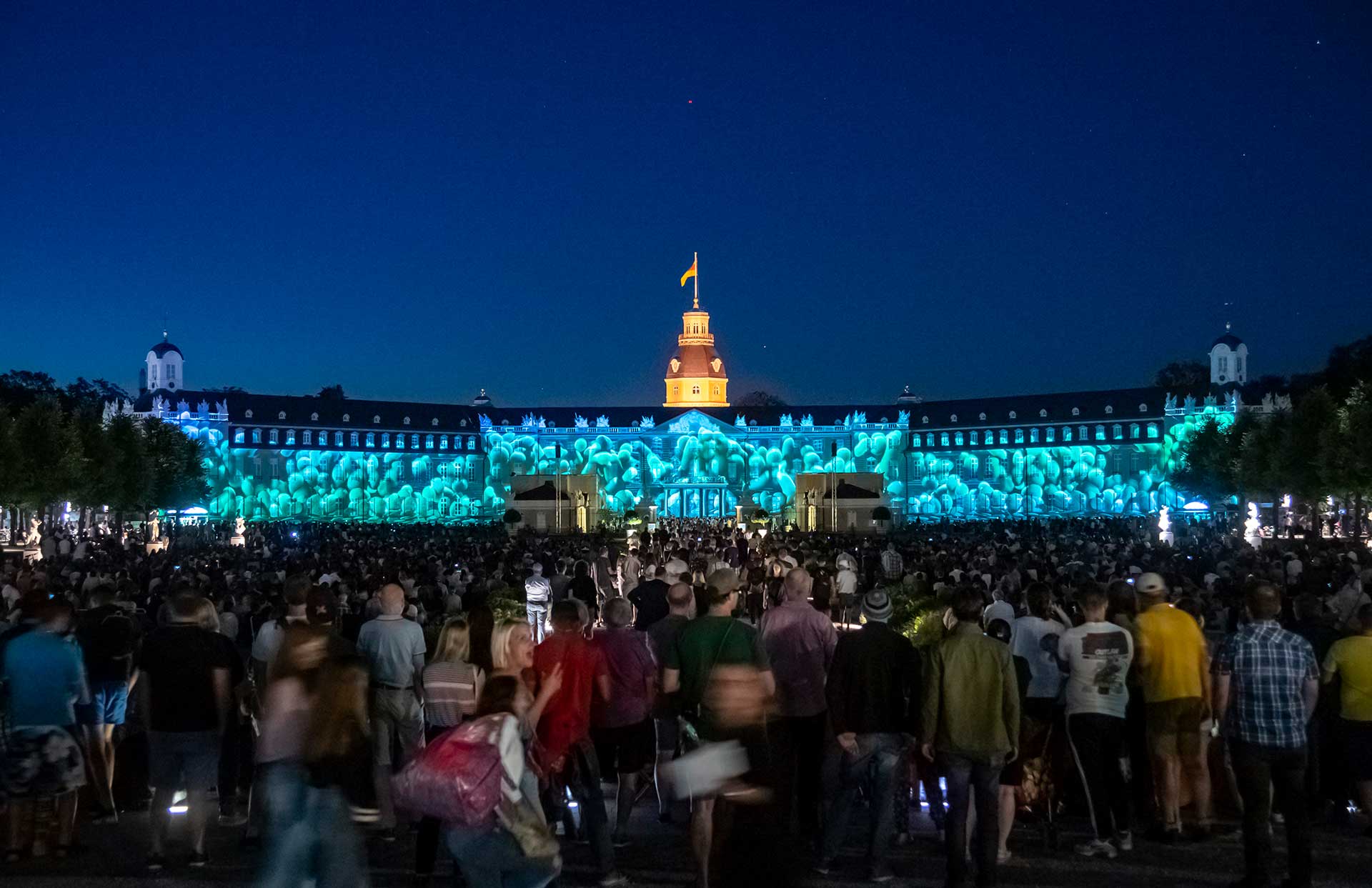
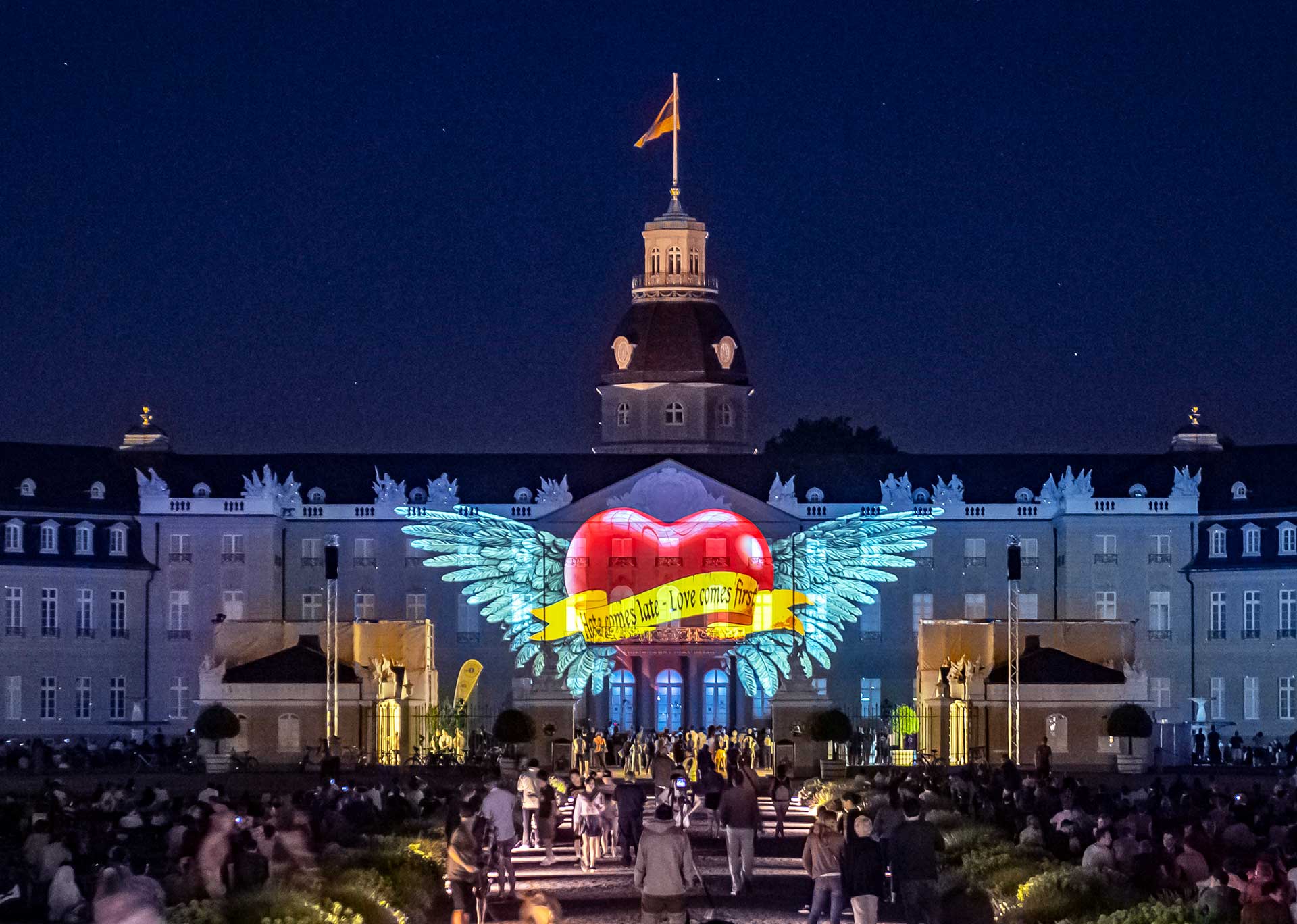
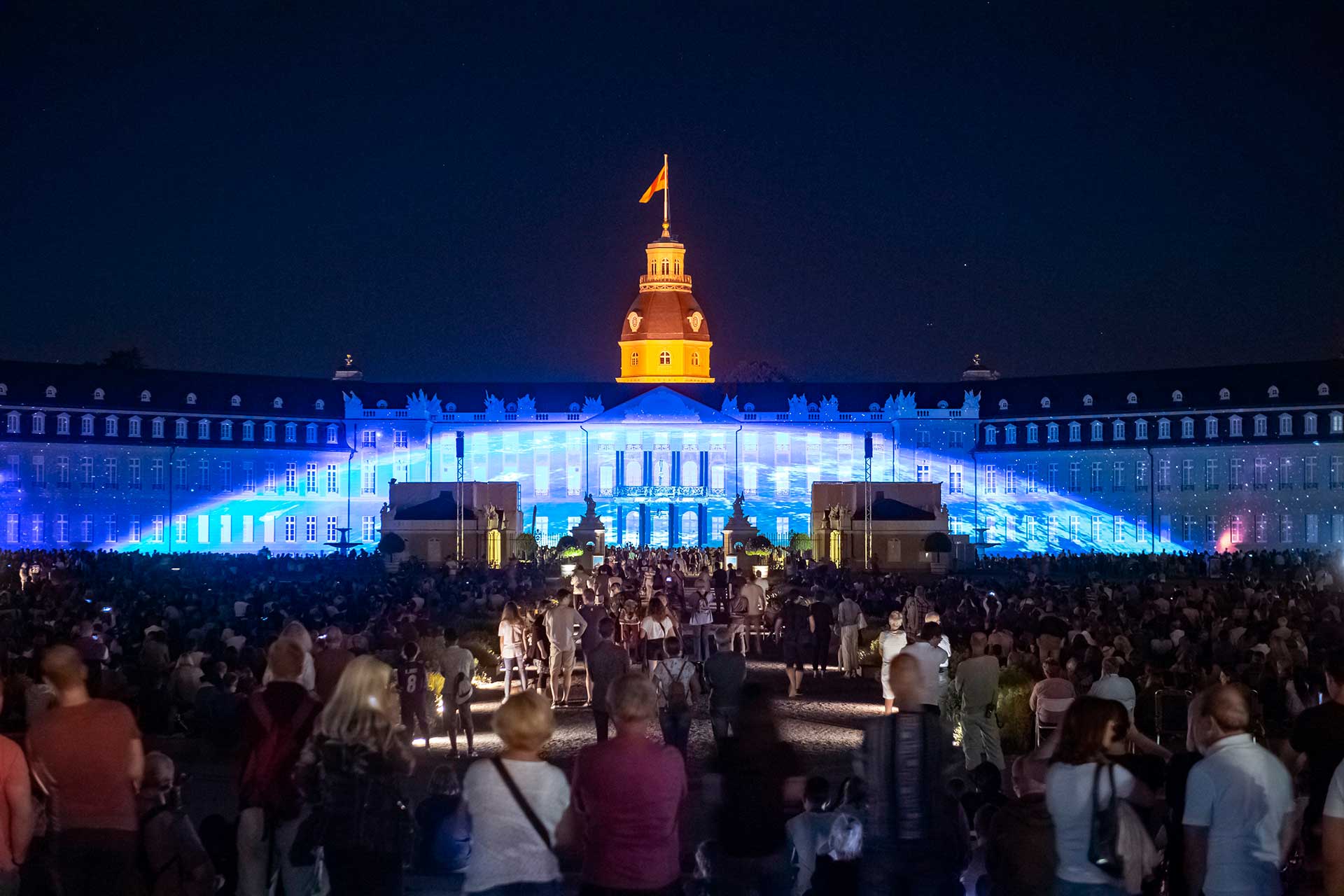
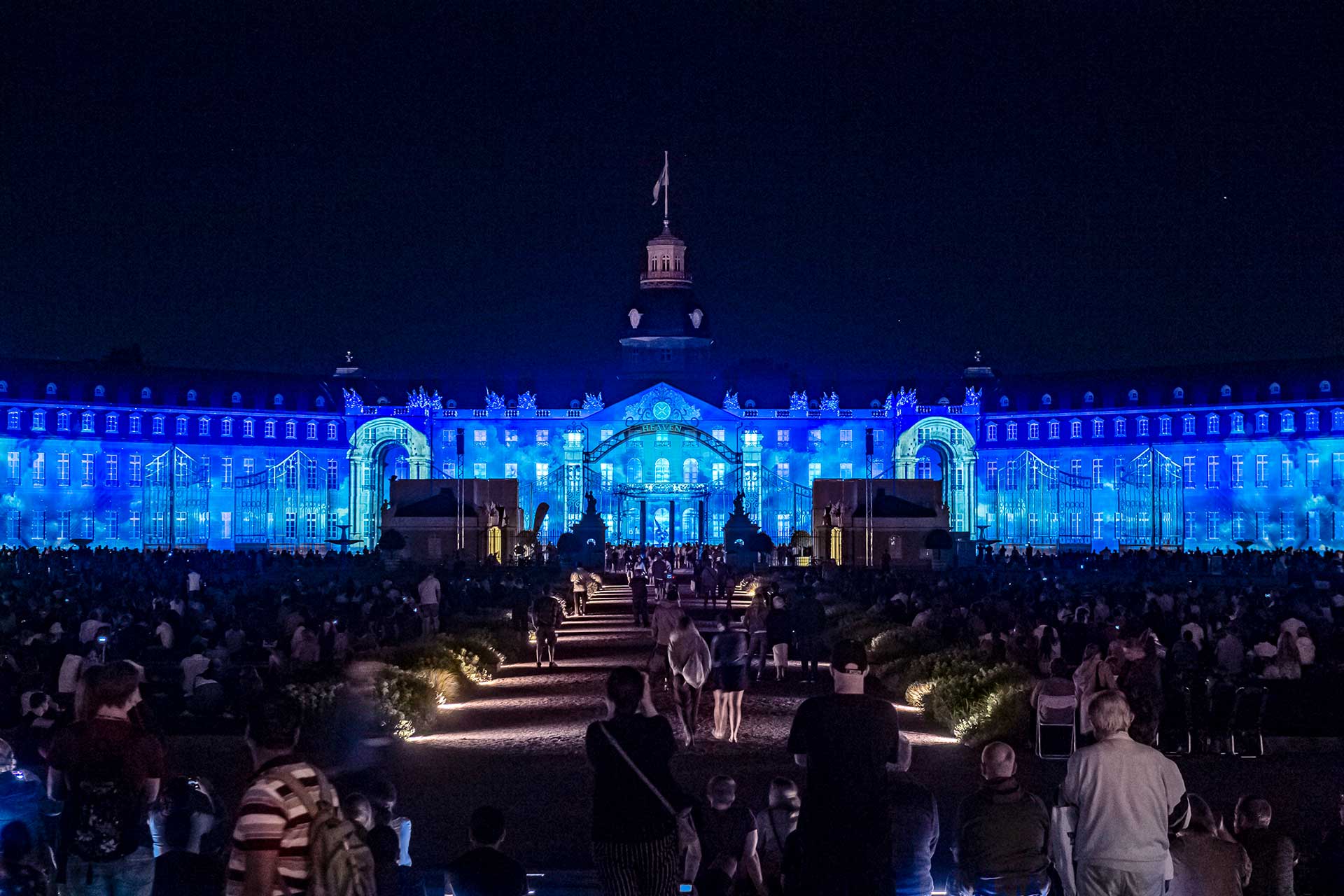
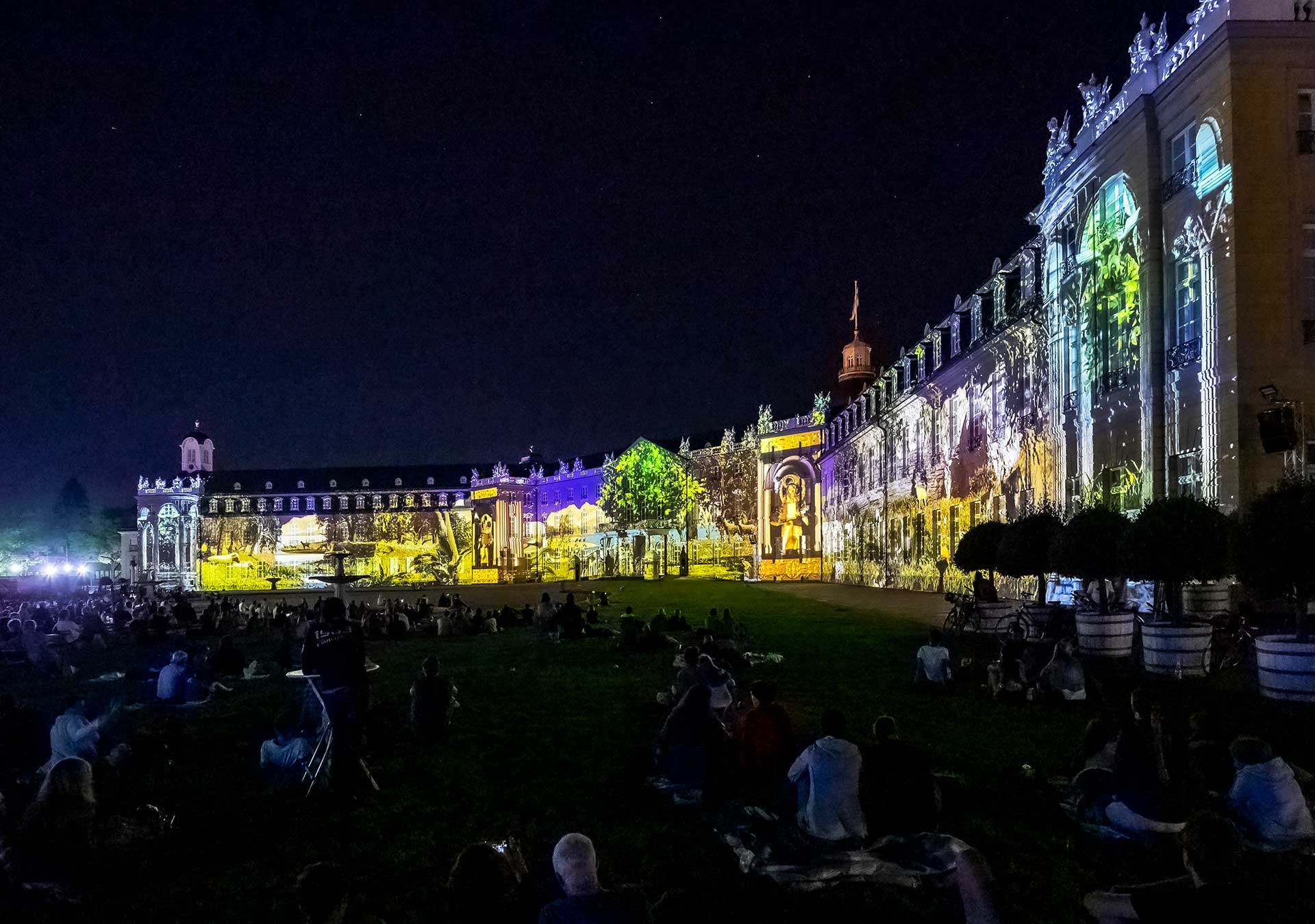
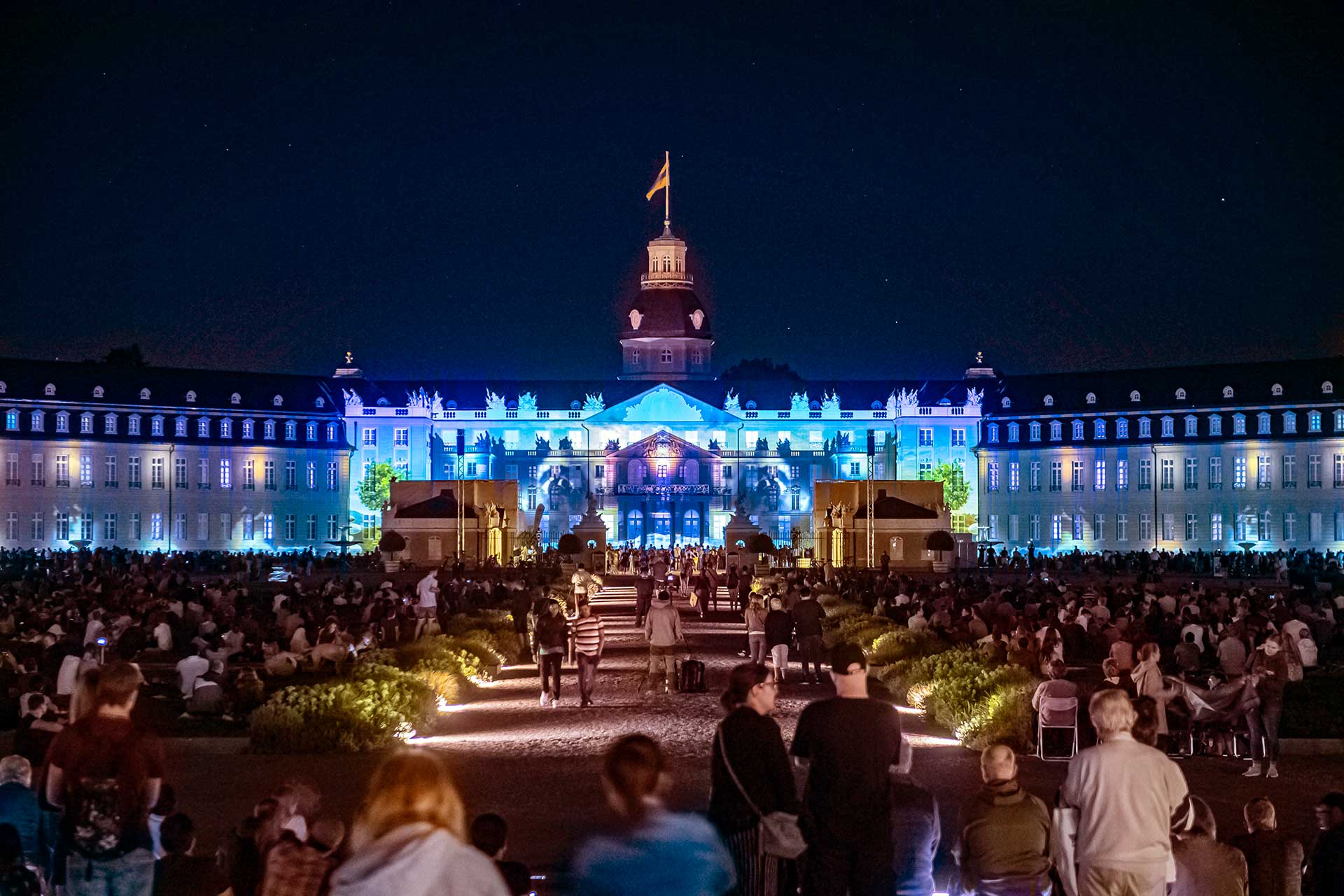
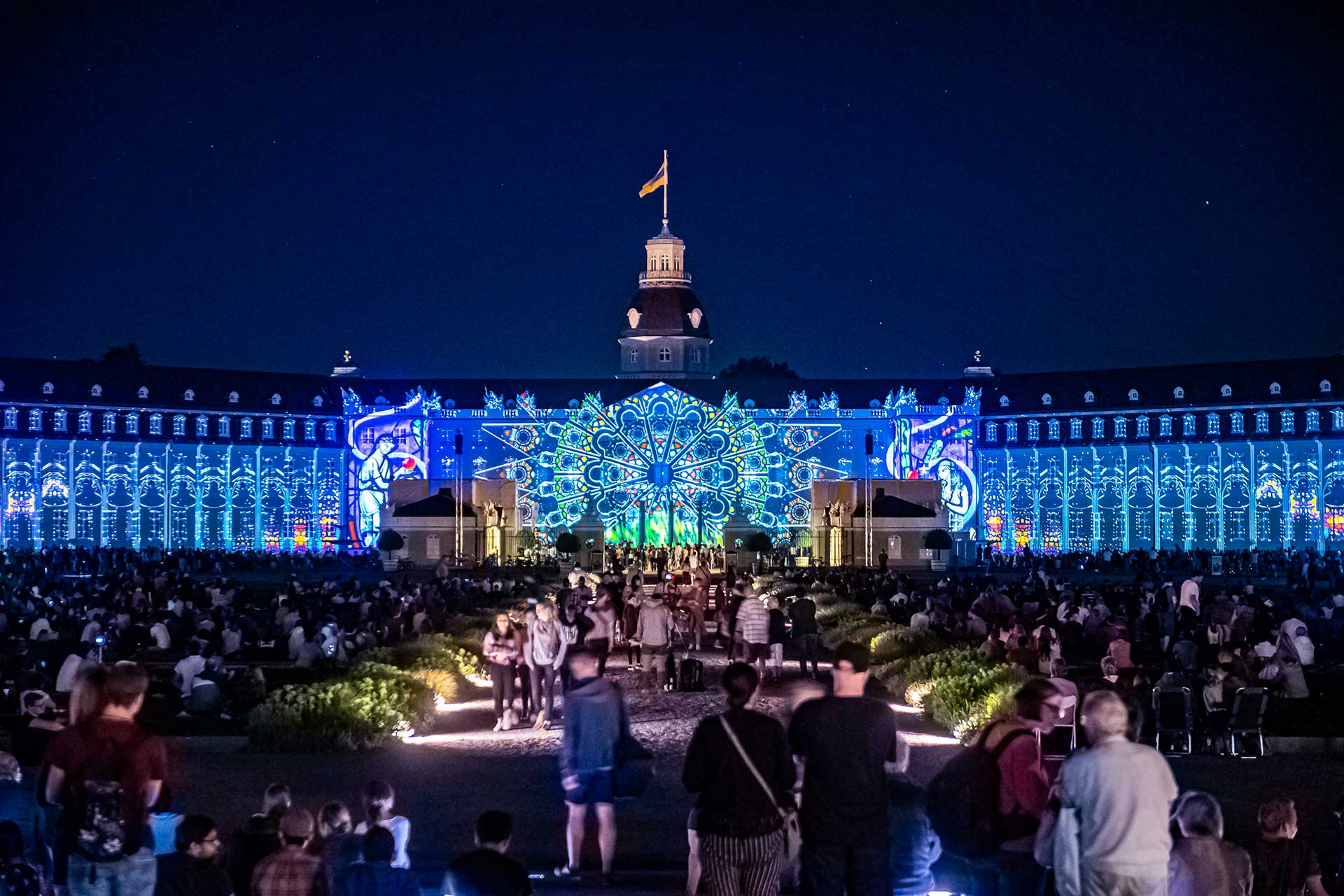
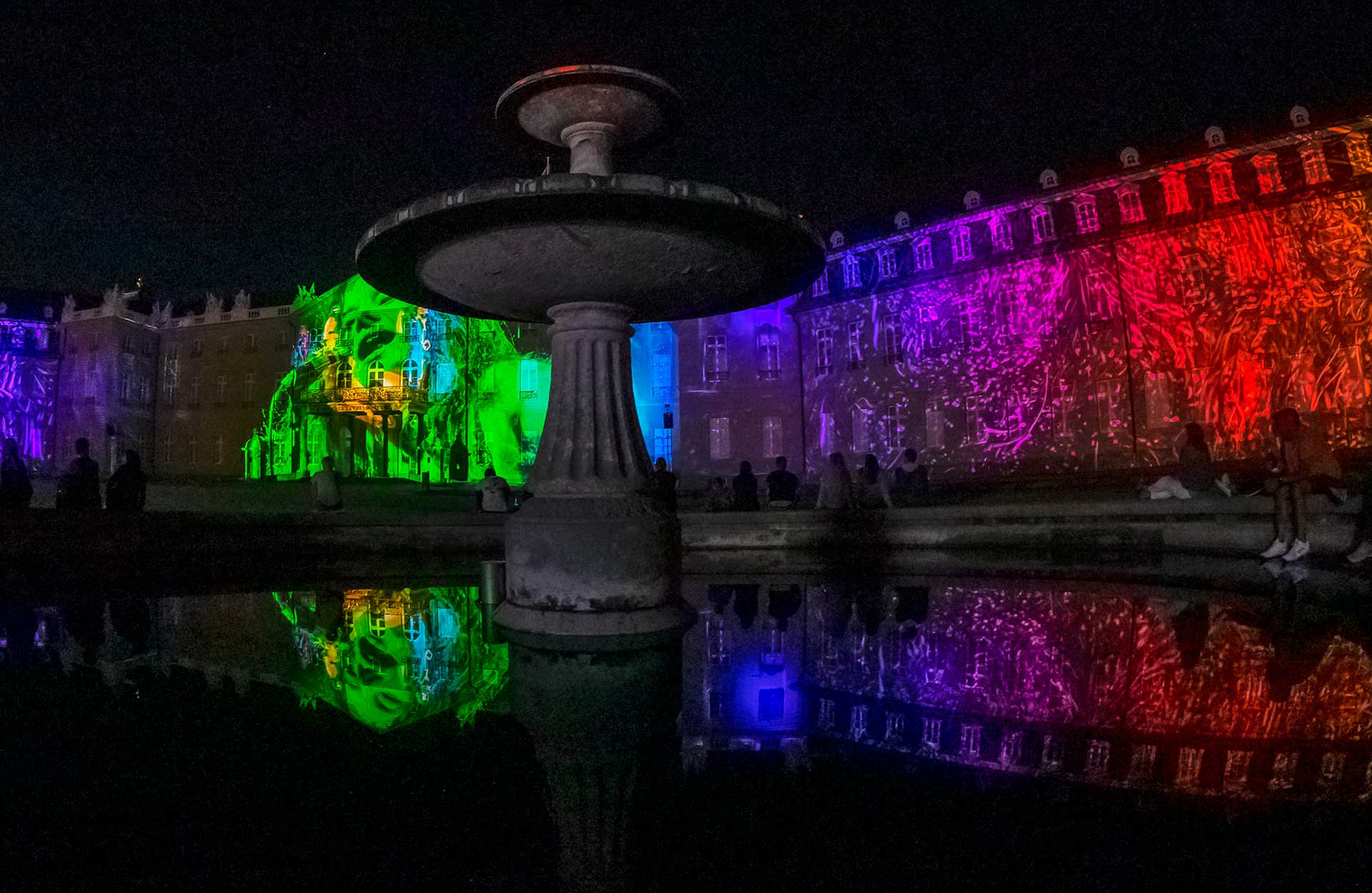
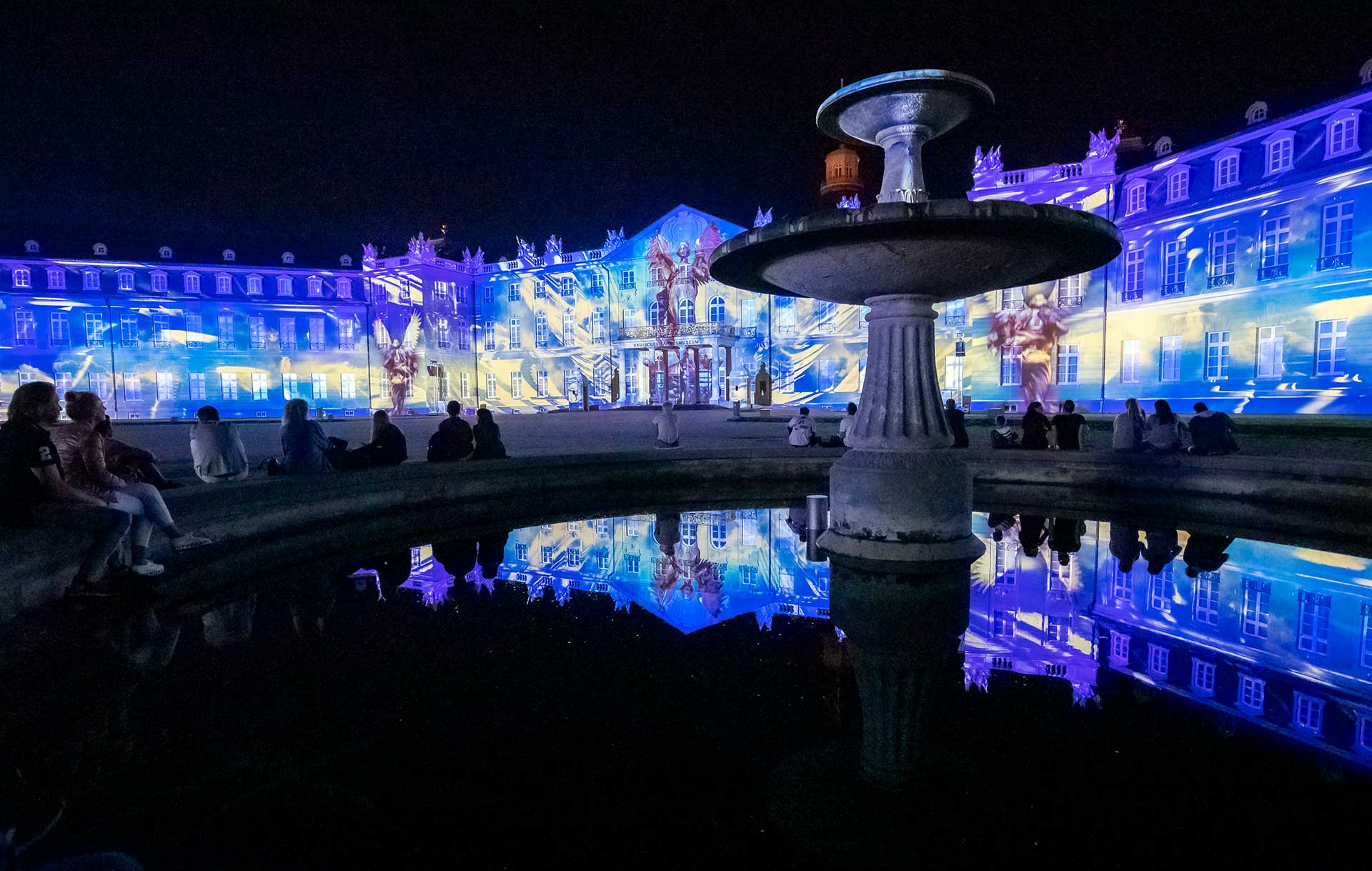
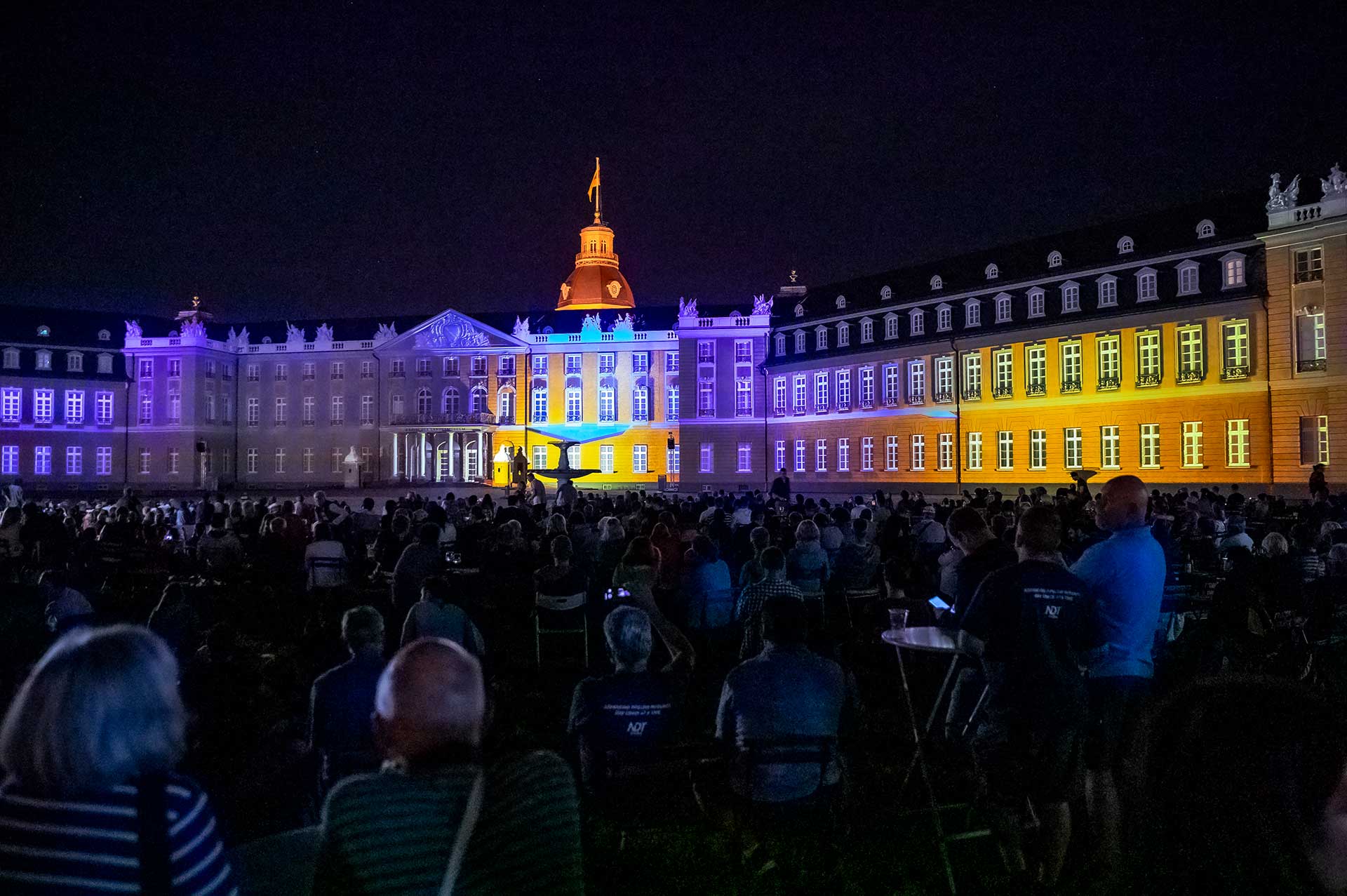
Karlsruhe is a city where media art in all its forms is an integral part of everyday life. Its working and leisure environments, as well as its public and institutional spaces, offer residents and visitors countless opportunities to engage with media art - not only as spectators but also as active participants who contribute to the cultural life of the city.
As a thriving IT hub, Karlsruhe boasts an outstanding and diverse landscape of universities and research institutions. This network, together with a historically rich cultural infrastructure that is exceptional for a city of its size, forms the foundation for a flourishing cultural and creative sector.
Culture and creativity are key economic drivers, generating revenue, employment, and income while shaping future-oriented developments such as digital transformation and fostering innovation. They create opportunities for the innovative and creative minds educated at the city's universities, bring people together, strengthen social cohesion, and contribute to urban transformation. They enhance the city's attractiveness, improve its international reputation, and draw national and global attention - in short, they make Karlsruhe an even better place to live.
Membership in the UNESCO Creative Cities Network enables Karlsruhe and its stakeholders to establish new partnerships, gain fresh inspiration, and build lasting connections with organizations and artists across the UNESCO Creative Cities on every continent.
Strengthening collaboration and integration within the city's creative communities fosters a stronger urban identity while enhancing Karlsruhe's international profile. Membership also expands opportunities for global networking, collaboration, and exchange among cultural institutions, artists, and professionals working in the fields of digital culture and the creative industries.
The City of Karlsruhe and its creative community are committed to contributing actively to the UNESCO Creative Cities Network. They aim to share innovation and expertise emerging from the dynamic interaction between media arts, the cultural and creative industries, information technology, science and research, as well as democracy and fundamental rights, with fellow member cities and the wider global community.